Pittsburgh Arts, Regional Theatre, New Work, Producing, Copyright, Labor Unions,
New Products, Coping Skills, J-O-Bs...
Theatre industry news, University & School of Drama Announcements, plus occasional course support for
Carnegie Mellon School of Drama Faculty, Staff, Students, and Alumni.
CMU School of Drama
Wednesday, September 30, 2026
6 Tricks for Faking a Car Crash
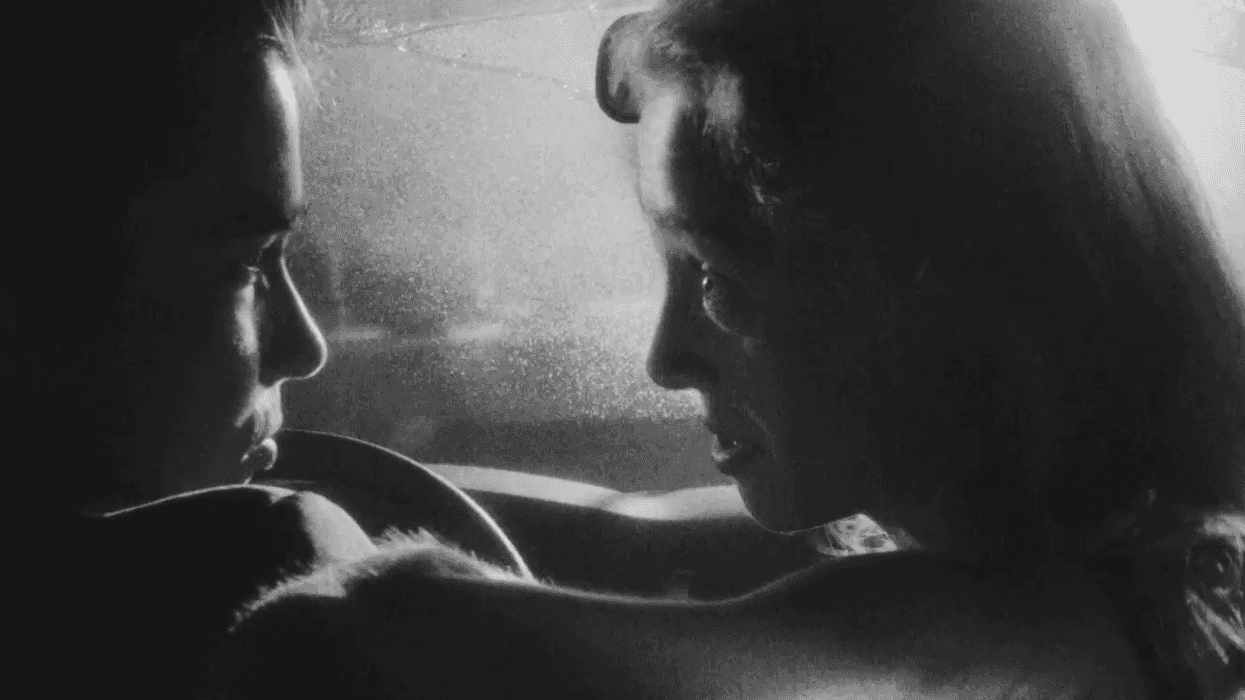
No Film School: You always want your opening sequence to grab attention. How can you set up your story and hook the audience, all in one go? And how can you do it on a low budget but still get that big set piece?
I was drawn to this article mainly because the title is very attention grabbing, not necessarily because I will ever need to use these tips and tricks in my own life. But I guess you never know! On the surface this is just an entertaining read, but I also very much relate to the ideas about having to get a little scrappy when you’re working with a low budget. I feel like that’s one of the first things you learn in theatre, especially in educational theatre, which is where so many of us get our start. Learning how to make something out of basically nothing is such a valuable skill, that also translates to many other parts of life. And it’s interesting to get some insight into how filmmakers achieve things on a lower budget as opposed to how it works in theatre. I’m sure there’s a lot of overlap if you dig deeper into it.
While the overall process discussed in this article would not be able to be used in theatre, I think it can be helpful to understand the elements they highlight when it comes to staging the fake car crash like lighting, rain effects, rear projection, and sound effects are all still perfectly viable options in theatre, their applications just shifted to fit the needs of theatre. I think it would be a fun project to try to organize a car crashing on stage, and figuring out all of the technical needs to make it work.
First off, totally worth watching the video--talking about cinematography while looking at it is such a step about just discussing it. Secondly, while all of these tricks are great, a few stand out to me. First, I somewhat understand this, but the ability to make the lighting so realistic--although I think the black and white definitely helps too. But what really stood out to me, because I have never heard or thought of it, is cutting a few frames right in the action scenes. My first instinct would be "isn't that so noticeable and not subtle?" But it is actually crazy how effective it is, and even after having seen the frame by frame difference, I still don't think I could pick it out at full speed. I feel like understanding when and how much to cut is definitely a skilled art, but I wonder how often I've seen that before and just not even noticed?


3 comments:
I was drawn to this article mainly because the title is very attention grabbing, not necessarily because I will ever need to use these tips and tricks in my own life. But I guess you never know! On the surface this is just an entertaining read, but I also very much relate to the ideas about having to get a little scrappy when you’re working with a low budget. I feel like that’s one of the first things you learn in theatre, especially in educational theatre, which is where so many of us get our start. Learning how to make something out of basically nothing is such a valuable skill, that also translates to many other parts of life. And it’s interesting to get some insight into how filmmakers achieve things on a lower budget as opposed to how it works in theatre. I’m sure there’s a lot of overlap if you dig deeper into it.
While the overall process discussed in this article would not be able to be used in theatre, I think it can be helpful to understand the elements they highlight when it comes to staging the fake car crash like lighting, rain effects, rear projection, and sound effects are all still perfectly viable options in theatre, their applications just shifted to fit the needs of theatre. I think it would be a fun project to try to organize a car crashing on stage, and figuring out all of the technical needs to make it work.
First off, totally worth watching the video--talking about cinematography while looking at it is such a step about just discussing it. Secondly, while all of these tricks are great, a few stand out to me. First, I somewhat understand this, but the ability to make the lighting so realistic--although I think the black and white definitely helps too. But what really stood out to me, because I have never heard or thought of it, is cutting a few frames right in the action scenes. My first instinct would be "isn't that so noticeable and not subtle?" But it is actually crazy how effective it is, and even after having seen the frame by frame difference, I still don't think I could pick it out at full speed. I feel like understanding when and how much to cut is definitely a skilled art, but I wonder how often I've seen that before and just not even noticed?
Post a Comment