CMU School of Drama


Showing posts with label Pneumatics. Show all posts

Monday, February 23, 2026

The enduring use of pneumatic grippers

www.motioncontroltips.com: Mechanical jaw grippers driven pneumatically or electrically are indispensable and ubiquitous. These include parallel grippers, three-finger grippers, and angled-finger grippers. Permanent-magnet and electromagnet-based end effectors handle ferrous parts for the machine-tool industry.

Monday, August 31, 2020

Piezo-Electric Valves for Hydraulic and Pneumatic Systems
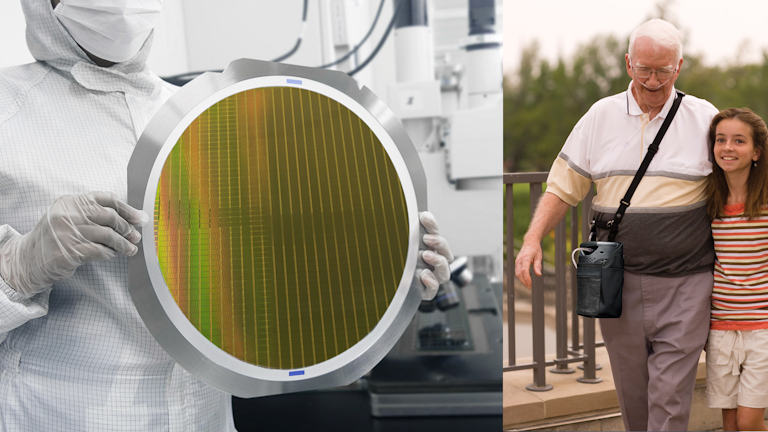
Hydraulics & Pneumatics: Piezo elements are electromechanical transducers that convert mechanical forces (pressure, tensile stress or acceleration) into voltages. The inverse piezoelectric effect, precisely the opposite, forces piezo elements to change shape when a voltage is applied to them. This lets them generate mechanical motion and be used as oscillators.

Wednesday, April 22, 2020

Back to the Basics: Push-Lock Fittings
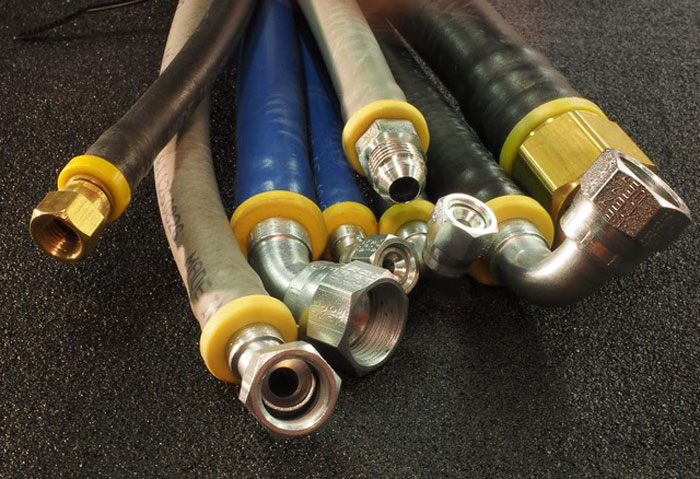
Hydraulics & Pneumatics: Push-lock hose fittings (aka push-lok, push-on, insta-grip and field attachable fittings) lets technicians attach connectors and fittings to hoses in the field for low-pressure hydraulic and pneumatic systems such as shop air, general industrial, maintenance and automotive assembly, to name a few. The assemblies handle pressures up to 350 psi, a limit set by the hose’s capabilities. This limitation also means most hydraulic systems cannot use them.

Preventing Common Mistakes in Selecting Valves
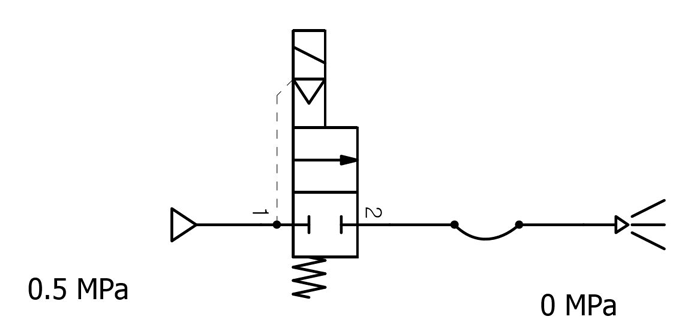
Hydraulics & Pneumatics: Experience is the best teacher, but it is also the most expensive. And when you work in technical support, you see a lot of widespread, expensive learning going on as the same mistakes crop up again and again. Here are some common and easily preventable ones involving valves.

Wednesday, April 15, 2020

Back to Basics: Quick Disconnects
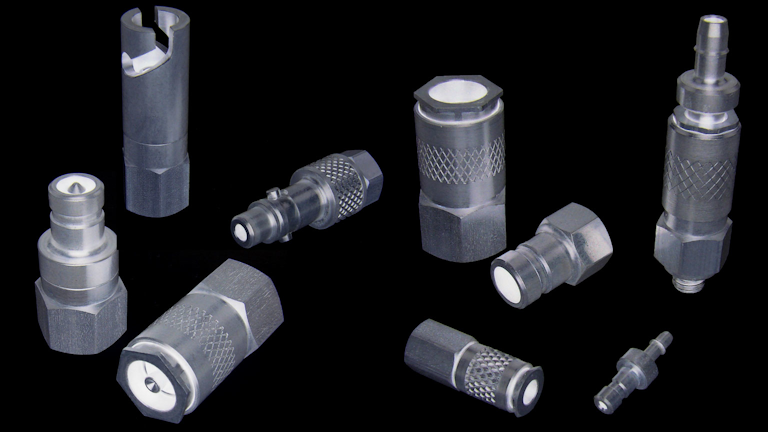
Hydraulics & Pneumatics: Quick disconnect fittings (QDs), also known as quick connects or quick-release couplings, reduce downtime during accessory or equipment changeovers, simplify and speed up servicing, reduce leaks and simplify diagnostics. They do not require tools for assembly or disassembly like hydraulic line connectors. And they come in many different types and are used throughout a broad range of industries.