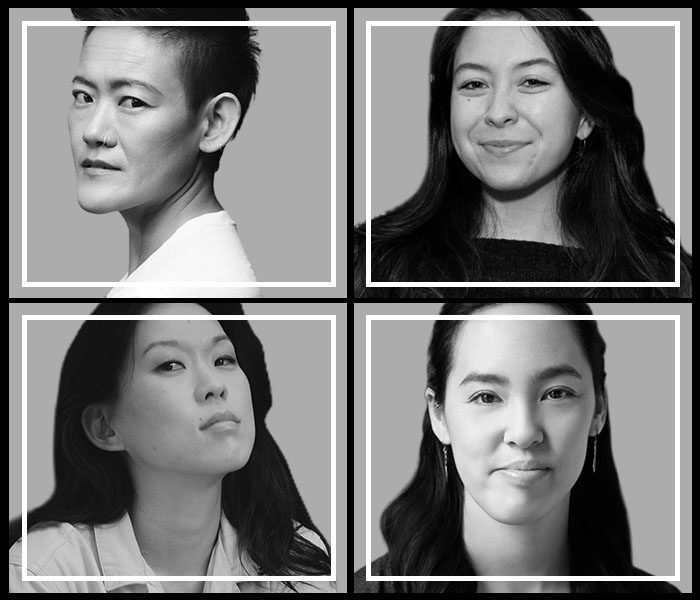
TDF: 2020 was shaping up to be the year of the Asian American playwright in New York City. Then COVID-19 hit and all the productions shut down—most before they even opened. After six painfully turbulent years for the theatre industry and its artists, there’s a welcome feeling of déjà vu this month as four new plays by Asian American women and nonbinary dramatists bow Off Broadway simultaneously.


2 comments:
I’m taking an Asian American Studies class right now so this article is particularly relevant and interesting. I think a lot of times as audiences we pay attention to who we see on stage, sometimes, as designers, we pay attention to who is behind the production, but we less often notice who actually wrote the story we’re watching in the first place. As I thought about this article, I realized that for a lot of plays I know I couldn’t tell you the demographics of the playwright, and for the plays where I could tell you, none of the playwrights I know are Asian American. Especially post-Covid, Asian American perspectives are so important to understanding the full picture of race and racism in America, as well as the legacy of immigration. Its exciting to see a surge in Asian American playwrights, and I hope to hear about their work and get to read or watch it someday.
I remember when my neighborhood suddenly put giant second-handed cloth dumpsters in our common trash area. It hasn't been a thing since then. I have always wondered where these trash textiles go. It is undoubtedly true that environmental problems caused by waste and trash are always there and it will be hard to find a perfect solution nowadays. As more and more people use and throw things away, the environment just gets worse. I feel like not until I saw the actual number of tons of waste textiles did I notice the extremeness in this action. I know that some of the second-handed textiles will go to poor rural area kids, but many of them never ended up turning into something valuable and sustainable again. With more consumption and not evolving regulations, this textile problem is just going to get worse and worse.
Post a Comment