Here are the top five comment generating posts of the past week:
Mamdani Says Theater Should Not Be ‘a Luxury’ as He Hands Out Free Tickets
The New York Times: New York City’s new mayor, Zohran Mamdani, was elected on an affordability agenda focused on free buses and child care. On Friday, he extended that agenda to the arts, handing out vouchers for free tickets to a long-running theater festival of experimental work and declaring that culture should be more accessible to the city’s residents.Engaging with art is good for your health, new analysis reveals.
Artsy: We all might think that art is good for us, but now scientists are adding to research that’s making it official. Daisy Fancourt, a professor of epidemiology at University College London, is about to make a case for the arts that is anything but subjective.Entertainment industry ramps up discussions about AI, creators and innovative tech at CES
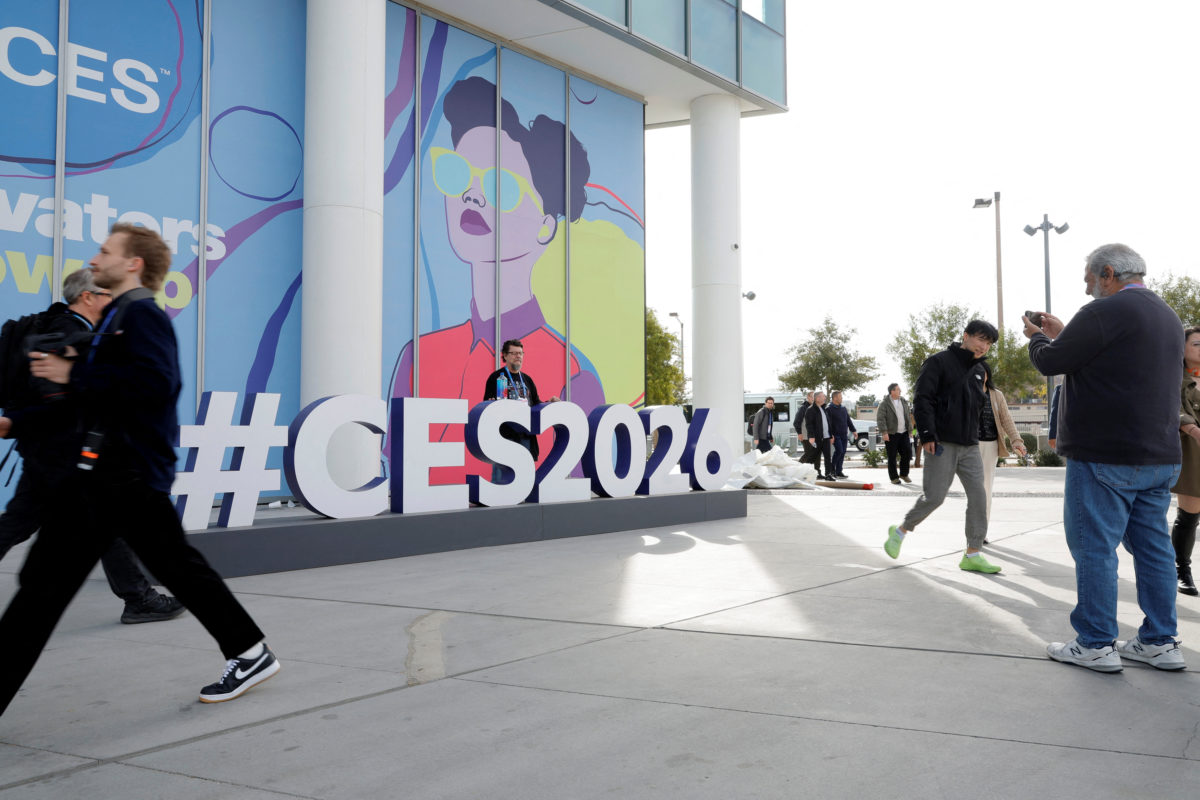
PBS News: The world's largest tech showcase does not come without theatrics. Innovations and gadgets like a lollipop that sings to you as you consume it, a laundry-folding robot and a "smart" LEGO brick have stolen the spotlight so far at CES 2026. But underscoring this year's programming is a strong focus on an industry that relies on a similar theatrical flair: entertainment.Universal Music Group Bets on ‘Responsible AI’ With NVIDIA — Even as Fans Warn of a Creativity Backlash
TicketNews: Universal Music Group (UMG) is signaling that artificial intelligence is no longer just an experiment, but a cornerstone of its future. In a major announcement Tuesday, the music giant unveiled a collaboration with NVIDIA designed to change how billions of fans interact with music—while maintaining that artist rights and compensation remain the “North Star” of the initiative.Betty Boop, Blondie and Nancy Drew enter the public domain in 2026
PBS News: Betty Boop and "Blondie" are joining Mickey Mouse and Winnie the Pooh in the public domain. The first appearances of the classic cartoon and comic characters are among the pieces of intellectual property whose 95-year U.S. copyright maximum has been reached, putting them in the public domain on Jan. 1. That means creators can use and repurpose them without permission or payment.



No comments:
Post a Comment