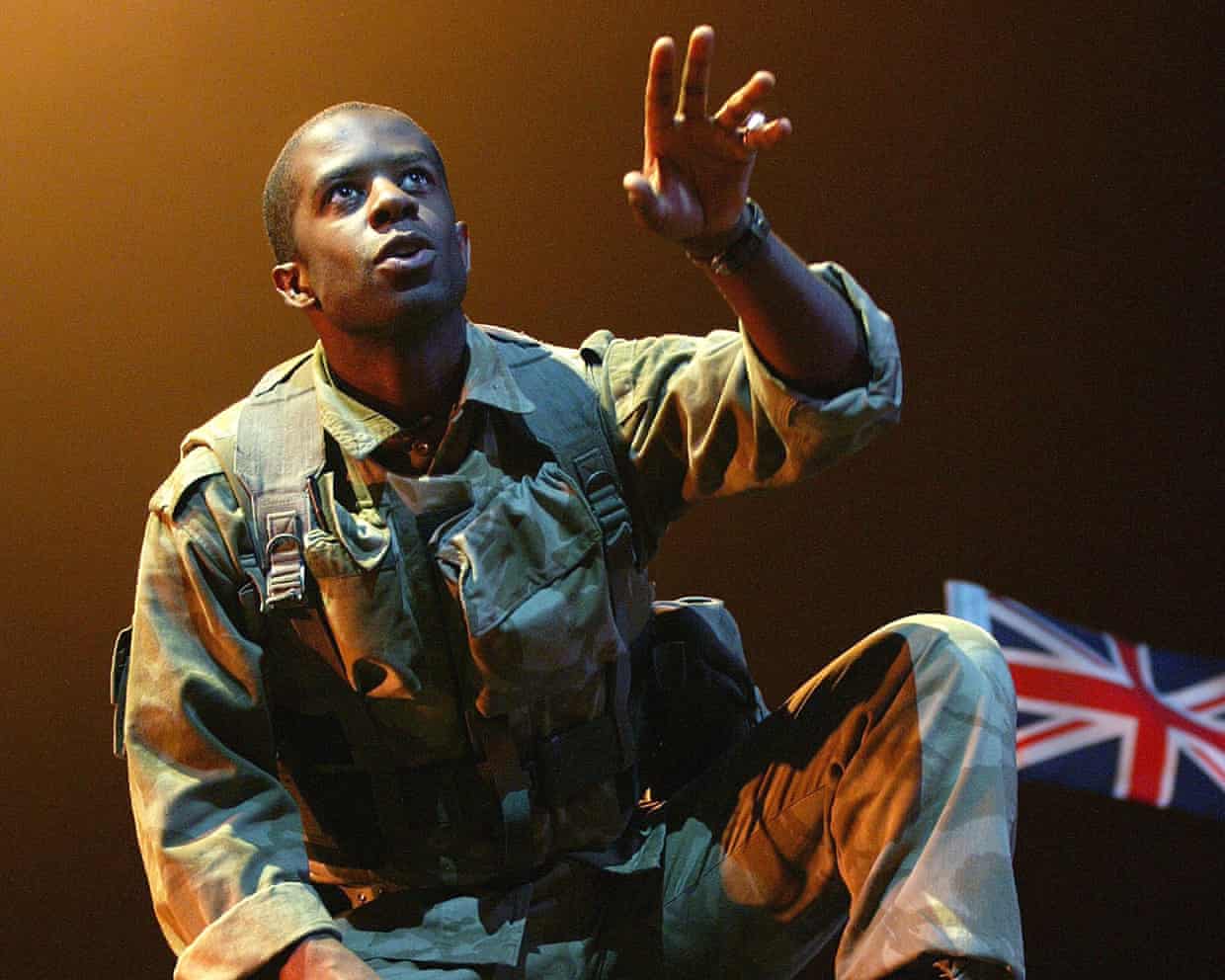
Theatre | The Guardian: I have long argued that Shakespeare’s history plays have more urgent relevance today than his tragedies. The issues they raise – such as the nature of good governance and the difficulty of deposing a tyrant – are precisely those that still haunt us. Henry V, shortly to be given a new RSC production directed by Tamara Harvey, seems especially timely as we are living in a world where the threat of war is painfully real.


3 comments:
I think that beyond just this show directors and other artists' art is greatly influenced by the time. I think in a very political show like this one it might feel more obvious to the audience but all shows bare the time that they were made in and the world that the artist was living in. I also just think like at least in the United States it feels like we're having our upheaval. We didn't need this show to predict it. I think that there are often times where it is valuable to look back at what someone like Shakespeare thought was relevant at a time of war. And also most important is to look forward to what comes after and to what current people need. I'm interested to see what comes of this iteration of the show and how it might move us forward.
Like this article states just because a script is old doesn't mean that a production of it has nothing to do with the modern day. I think that it's important to remember that the script is only one part of the show process and that revivals of such a show are greatly influenced by the current director and creative team. But of course that isn't the only thing that changes over the years. I think that perhaps the most important thing when a play is restaged is the shifting cultural contexts which shape how the audience interacts with the play. Although the story of Henry V on a surface level doesn't hit very close to home for modern audiences (after all anyone alive now only remembers Henry V as ancient history). But the way that the show is staged, how the performers interact with it, and most importantly the context that the audience comes it with can completely change the understanding of the show.
I think the belief that art reflects life and that life reflects art tends to be true. It is for this reason that the works of William Shakespeare have endured for so long. For hundreds of years, wars more destructive than anything Shakespeare could have imagined have raged on, and quietly, in the background, his works have gained more credence and credibility. In works like Henry V– of which I’m a fan– directors have a real choice in front of them in their role as adaptors. I think it’s really interesting how productions of this play have changed with time to reflect the current political state of the world during the time they were produced. Art is the light we shine on the darknest corners of our cultural conscience. I think different interpretations of Henry as a leader in the show are very interesting and reflect how we view our leaders and what we value in them in the modern world. I really like Shakespeare shows and I hope directors continue to use them to explore age old tropes and themes in a modern light.
Post a Comment