Pittsburgh Arts, Regional Theatre, New Work, Producing, Copyright, Labor Unions,
New Products, Coping Skills, J-O-Bs...
Theatre industry news, University & School of Drama Announcements, plus occasional course support for
Carnegie Mellon School of Drama Faculty, Staff, Students, and Alumni.
CMU School of Drama
Friday, March 13, 2026
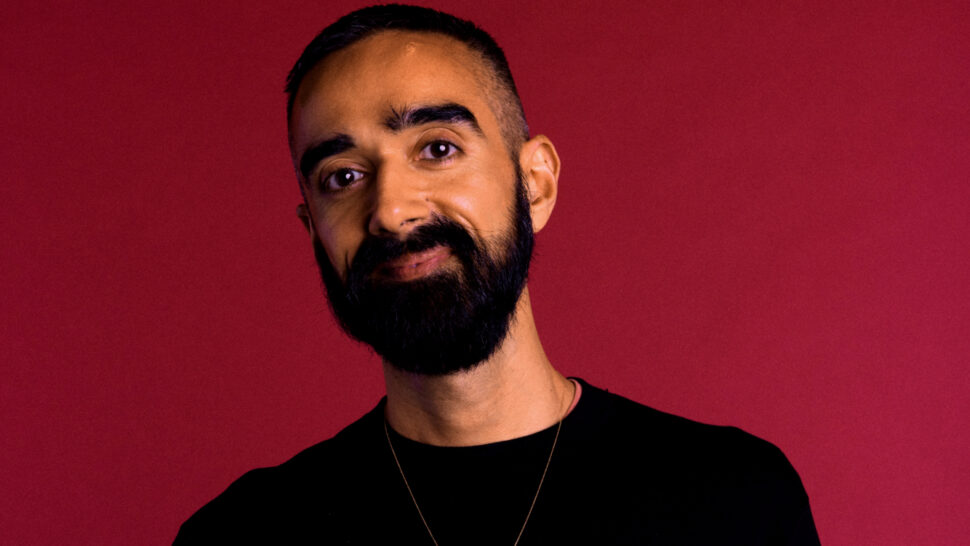
Washington Post Lays Off Theatre Critic Naveen Kumar, Raising Questions of Continuing Arts Coverage
Playbill: Mass layoffs at The Washington Post, reported to affect about 30% of its workforce, have drawn the outlet's continuing arts coverage into question, with chief theatre critic Naveen Kumar let go, Kumar tells Playbill. Requests for comment sent to the Post have not yet been returned.
6 comments:
DogBlog
said...
This is just another concerning incident in a series of concerning incidents for the destruction and devaluing of art and media in American culture. I think the article is right in saying that the Washington Post will most likely not be replacing the Theatre Critic role that Naveen Kumar was laid off from. I do want to say that I understand that media outlets are really struggling with viewership and profits right now, and the likelihood is that this was an unfortunate but strategic move to try and keep the Washington Post profitable. I am still concerned that without this role being filled, many productions will not get the media coverage they need to sell tickets. Without having people who are dedicated to getting exposure to shows, many people would not be able to discover so many great productions. I like how the article also ties in the trends of how live art is being treated in America with the current Kennedy Center situation.
It feels so sad to hear about the new reconfiguration for arts coverage in new media and also performance centers. People with the passion to create art also need a lot of support, so reducing the payment of the venue is not an ideal solution to boost more creative pieces. I feel like people need art, especially in special times. People also create more art when the period is a super struggle. Right now, the world is getting really stressful and unstable, and people need more forms of entertainment to stay in good shape. And more than entertainment, art is usually a clip of a compressed face of society that will evoke people to reflect on what is happening in the world through the mirroring of art. With less arts coverage, the chances to create celebrated art are shut down. Without much power to change the current state, I feel so sorry for this.
I originally heard of Washington Post doing layoffs a few weeks ago from a tiktok, where the lead social media manager told everyone they have laid off their only employee, and this tiktok wasn’t just a waste, it actually caused a lot of views, and people love the content they make and the way they present the news in an unbiased informative way. And then now I see this, they have laid off one of their theatre reviewers. I think the suits at Washington Post see how on fire the Kennedy center is, and think that stems out to the rest of the industry, thus causing theatre articles relating to theatre to become less profitable. To which I simply don’t agree with, I think theatre will remain profitable, at least with reviews, people do typically read those and pay attention to what they say when planning their NYC trips, and shows do pay fees sometimes to post quotes on their website, so it still brings in money.
I really don't know how to feel about this whole situation. On one hand you have the fact that this is just another example of some art related position being cut from a company to save money. It's basically the norm at this point. But at the same time, I think this isn't even necessarily a bad thing. While I find it appalling that yet again some position like this is cut. I find it ironic that that these are the same media giants that continue to discredit the arts at the same time. They are playing in to it all of the same. I mean they are the same media outlets that attempt to smear our industry, or pull people away from it. Attempting to create this assumption that being an artist will lead you to some sort of failure in your life. Yet here it is impacting them all the same. I think thats karma.
I am always sad to see the material impacts of society’s view of art as unnecessary. As the Washington Post, a literal newspaper for the public consumption, I had thought there would be a higher regard for the importance of art. I am especially concerned about the Washington Post’s intention to move to a more news-focused creation. It seems to entertain the idea that the arts are somehow less of a real thing that are occurring every day than something like stocks. I worry how these moves in Washington DC are affecting other news outlets. If even the Washington Post has had to lay off 30% of their staff, the fate of any smaller papers in the region is at a major tipping point right now. This also reminds me of the newspaper that recently closed in Pittsburgh. I guess in some ways it is good that the Washington Post is still putting out news, but to have lost such an important part is tough.
This should be taken a lot more seriously than it is right now. Layoffs of theater critics and very blatant attempts at control over the narrative told in art accessible to the public are some major ways that a government formerly known as a democracy… slowly looking more and more facism shaped… This is how they take power. They need power over media consumed by the public. The job of a critic is vital for the sake of participating in growing and developing the way that people understand and interact from an art form- I wrote a whole other news comment on their importance of critics in theater, so I won’t restate everything, but basically art requires nuance to maintain meaning. If we let the politicians change how the public interacts with art, we let them change how the public interacts with the world. We are giving them control of what we empathize with, and how we interpret each other's stories.


6 comments:
This is just another concerning incident in a series of concerning incidents for the destruction and devaluing of art and media in American culture. I think the article is right in saying that the Washington Post will most likely not be replacing the Theatre Critic role that Naveen Kumar was laid off from. I do want to say that I understand that media outlets are really struggling with viewership and profits right now, and the likelihood is that this was an unfortunate but strategic move to try and keep the Washington Post profitable. I am still concerned that without this role being filled, many productions will not get the media coverage they need to sell tickets. Without having people who are dedicated to getting exposure to shows, many people would not be able to discover so many great productions. I like how the article also ties in the trends of how live art is being treated in America with the current Kennedy Center situation.
It feels so sad to hear about the new reconfiguration for arts coverage in new media and also performance centers. People with the passion to create art also need a lot of support, so reducing the payment of the venue is not an ideal solution to boost more creative pieces. I feel like people need art, especially in special times. People also create more art when the period is a super struggle. Right now, the world is getting really stressful and unstable, and people need more forms of entertainment to stay in good shape. And more than entertainment, art is usually a clip of a compressed face of society that will evoke people to reflect on what is happening in the world through the mirroring of art. With less arts coverage, the chances to create celebrated art are shut down. Without much power to change the current state, I feel so sorry for this.
I originally heard of Washington Post doing layoffs a few weeks ago from a tiktok, where the lead social media manager told everyone they have laid off their only employee, and this tiktok wasn’t just a waste, it actually caused a lot of views, and people love the content they make and the way they present the news in an unbiased informative way. And then now I see this, they have laid off one of their theatre reviewers. I think the suits at Washington Post see how on fire the Kennedy center is, and think that stems out to the rest of the industry, thus causing theatre articles relating to theatre to become less profitable. To which I simply don’t agree with, I think theatre will remain profitable, at least with reviews, people do typically read those and pay attention to what they say when planning their NYC trips, and shows do pay fees sometimes to post quotes on their website, so it still brings in money.
I really don't know how to feel about this whole situation. On one hand you have the fact that this is just another example of some art related position being cut from a company to save money. It's basically the norm at this point. But at the same time, I think this isn't even necessarily a bad thing. While I find it appalling that yet again some position like this is cut. I find it ironic that that these are the same media giants that continue to discredit the arts at the same time. They are playing in to it all of the same. I mean they are the same media outlets that attempt to smear our industry, or pull people away from it. Attempting to create this assumption that being an artist will lead you to some sort of failure in your life. Yet here it is impacting them all the same. I think thats karma.
I am always sad to see the material impacts of society’s view of art as unnecessary. As the Washington Post, a literal newspaper for the public consumption, I had thought there would be a higher regard for the importance of art. I am especially concerned about the Washington Post’s intention to move to a more news-focused creation. It seems to entertain the idea that the arts are somehow less of a real thing that are occurring every day than something like stocks. I worry how these moves in Washington DC are affecting other news outlets. If even the Washington Post has had to lay off 30% of their staff, the fate of any smaller papers in the region is at a major tipping point right now. This also reminds me of the newspaper that recently closed in Pittsburgh. I guess in some ways it is good that the Washington Post is still putting out news, but to have lost such an important part is tough.
This should be taken a lot more seriously than it is right now. Layoffs of theater critics and very blatant attempts at control over the narrative told in art accessible to the public are some major ways that a government formerly known as a democracy… slowly looking more and more facism shaped… This is how they take power. They need power over media consumed by the public. The job of a critic is vital for the sake of participating in growing and developing the way that people understand and interact from an art form- I wrote a whole other news comment on their importance of critics in theater, so I won’t restate everything, but basically art requires nuance to maintain meaning. If we let the politicians change how the public interacts with art, we let them change how the public interacts with the world. We are giving them control of what we empathize with, and how we interpret each other's stories.
Post a Comment