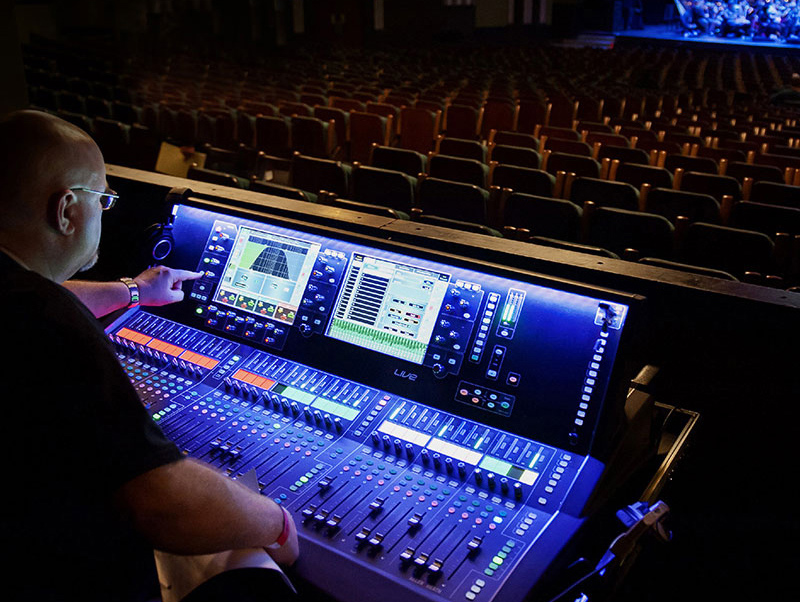
ProSoundWeb: There are a lot of ways to build a great front of house mix. And there’s a lot of information out there about best practices when it comes to routing, EQs, dynamics, FX, and everything in between.
But when it comes to my approach to mixing, there’s something that’s often overlooked and much more fundamental than any of the minutiae of mixing.


1 comment:
While sound is an area where I have very little experience, it is always interesting to learn about. Even being in orchestra in high school, I had never properly learned what the difference between melody and harmony actually was. I had a general understanding, but the introduction at the start of the article did a fantastic job of explaining the subtleties and differences, and setting up the context for the rest of the article. For mixing, the jar analogy did a really good job of explaining the author's ideas. It seems obvious after reading the article to start with the strong, core elements, but if I'm being honest about what would have happened if for some reason I got thrown into mixing a show, I probably wouldn't have done that. I imagine it can also be a pain in the butt to deal with impatient band members during this time. I also learned that I need to up my game in terms of sound vocabulary, because I had no idea what the author was talking about in the final third of the article. I think I got the general idea, but I'm not totally sure. Either way, it's cool stuff.
Post a Comment