Woodworking Network: Technology is ever growing and changing, and we always have an obligation to be aware of it and grow with it. The last few years have brought an expansive growth in the availability of generative AI imagery, which uses generative models to produce text, images, videos, or other forms of data. This boils down to a data system that makes a visual collage out of the data it contains. It does not create anything unique or new; it does not have that capability. It can only combine and modify the data it already has.


5 comments:
I really enjoyed this article because it very eloquently put into writing many of my own concerns and skepticisms about the ethics of generative AI (especially large language models and image generation). Something relatively disheartening I have encountered at CMU because of its large computer science and engineering population is the sentiment that art can and should be replaced by artificial intelligence. This at first seems crazy, however it is a sentiment I have encountered more than I expected. Something I really appreciated about this article was how it brought up the legal ramifications of artificial intelligence usage. I think sometime when having the discussion about artificial intelligence and art, we need to move away from arguing the value of art. By bringing up financial and environmental implications, we can appeal to those who might not be willing to see the ethical problems that stem from how we value art as a society.
This is such an interesting topic considering the nuance of being a drama student at one of the most AI-focused institutions. Especially following the PA Energy and Innovation Summit hosted on campus, there seems to be so many conflicting values and opinions at CMU. I thought the concept of copyright involving generative AI was really interesting and not something I’d heard much about tangibly. I’m glad artists are taking legal action in cases of infringement, but I’m concerned that it won’t make much of a difference unless new legislation and actual enforcement of it is implemented. Hopefully, the responsible decision is supported by policymakers. I also really hope AI companies are held accountable for their detrimental effects on the environment. Especially the largest of the corporations like Meta, Google, and Microsoft. I am hopeful that as AI becomes more and more prevalent in our lives, that its downsides are truly realized by everyone, and limited by those in power.
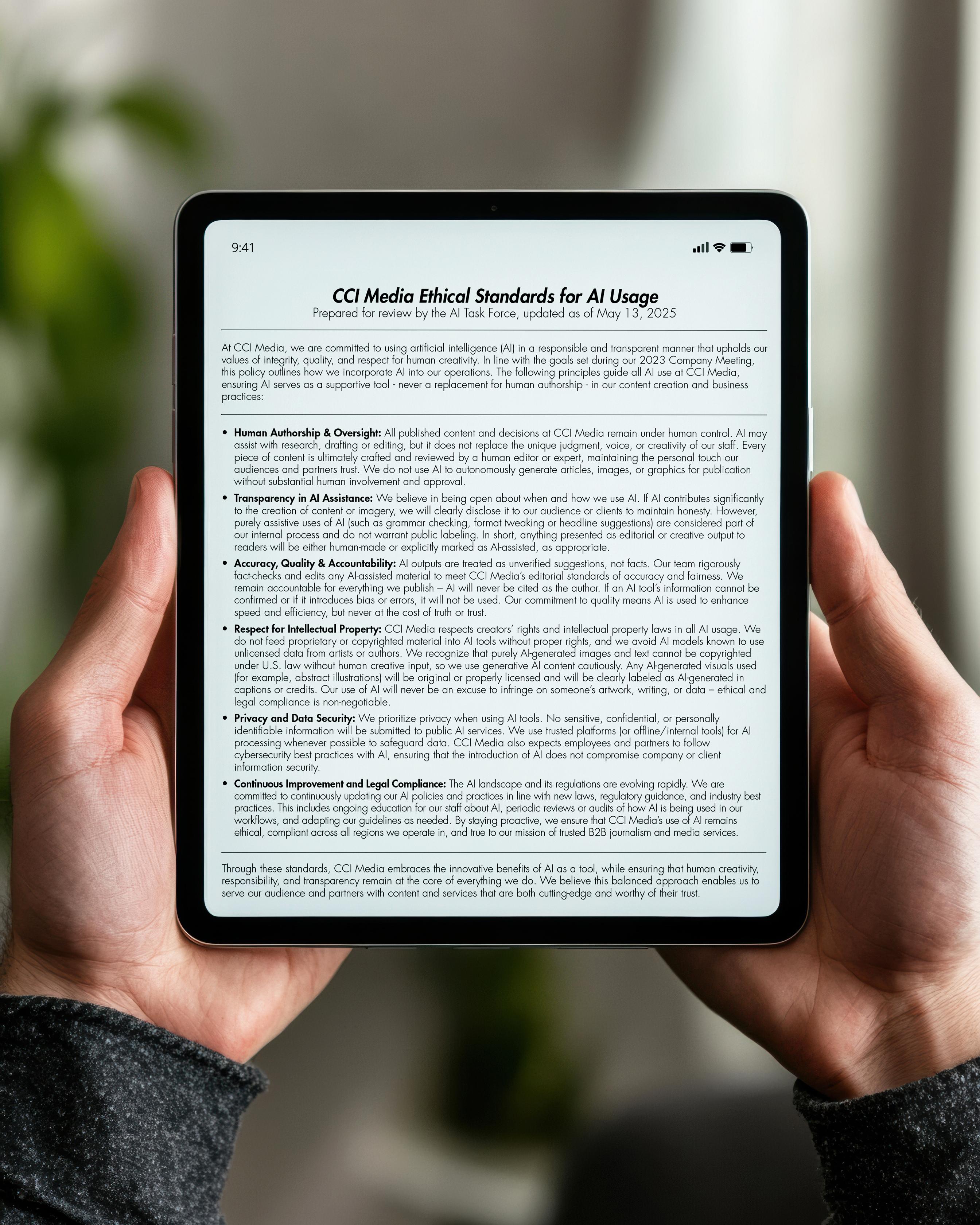
It’s really frustrating how AI is everywhere these days. It seems impossible to avoid, which can be just infuriating given the negative impacts that this article lists as well as the often subpar results it outputs. If you google “Is the Titanic’s swimming pool full of water?”, the first thing that pops up will be an AI-generated response that says the answer is no. AI is using a huge amount of power and water and destroying artists’ livelihoods, and there’s never an option to just turn it off – and half the time it’s not even right. I think the policies that Woodworking Network has adopted here are a good step in the right direction. Of course, a company should try to avoid having their content fed to AI. But at the same time AI is everywhere now, so you can’t just shut it out – though I’m sure that there are a lot of people who wish they could.
I thought this article on generative AI was really interesting because it showed both the good and bad sides of the technology. On the positive side, I can see how this type of AI can help speed things up, whether it’s for design, prototyping, or even just brainstorming new ideas. It’s kind of crazy how much time it can save. But at the same time, the article pointed out some really big issues, like the fact that most AI tools are built on other people’s work without permission. Learning that a lot of the images created with AI can’t even be copyrighted was surprising, and it makes you think about what it really means to “own” something you created with these tools. Another thing that stood out to me was the environmental impact. We think of AI as just digital, but in reality it takes a ton of electricity, water, and cooling to run. It makes you realize that these systems aren’t as invisible as they seem. For me, the takeaway is that AI can definitely be useful, but you need to know how it works, what the risks are, and how to protect your own work if you’re going to use it.
As a theatre student at CMU studying design and production, I found this article *“Staying educated on Generative AI”* to be especially timely and thought-provoking. On one hand, the ideas in the article about what generative AI can’t do—especially the point that it recombines existing data rather than genuinely creating something entirely new—resonate with what we constantly try to do in theatre: pushing for originality, craft, and meaning beyond pastiche. The sections about legal, ethical, and environmental consequences really caught my attention as well. The fact that images created via generative AI aren’t eligible for copyright unless there's human authorship raises serious questions for designers: if I use AI tools in scenic or costume design, how do I ensure my work remains my own, protected, and respected? Also, the water and electricity costs of data centers and the carbon footprint of training and running AI are issues that I think theatre departments should start discussing more. But I also see potential: generative AI could help in early ideation, such as concept sketches, layout mockups, or visual explorations, which we often need quickly. The trick will be using it as a tool without allowing it to erode the craft, aesthetic rigor, or ethical responsibility we learn at CMU. Overall, this article is a strong reminder that as emerging theatre makers and designers, we need to stay educated about the benefits and risks of AI—not just technically, but ethically and artistically.
Post a Comment