Power & Motion Tech: Electrification of various vehicle and mobile machinery applications has introduced a range of technologies to the market, including different types of electric motors which play an important role in powering many of the systems in an electric vehicle.
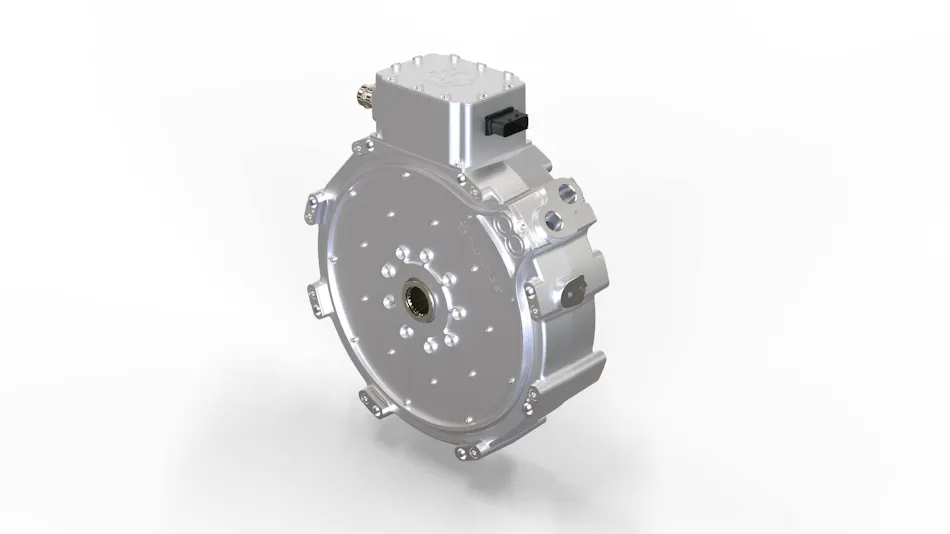
Axial flux motors are one such electric motor technology increasingly being utilized in hybrid- and full-electric systems.


2 comments:
I often forget that we are truly living in an age of innovation. There are so many things like these axial flux motors that we see being invented or introduced every day and we don't bat an eye because we are used to innovation at this point. While it is exciting to see new technology coming out that pushes the limits of what we can do, there is a part of me that is a little heartbroken every time I see something like this. With a system so complicated, if this broke, there is no way your average Joe Schmoe could figure out how to repair it without hours and hours of intense research. Things used to be built in such a way that someone dedicated enough could take things apart, figure out how it all worked together, fix the issue, and put everything back together again. Particularly with vehicles. It is unfortunate that doing things like that may eventually be lost to time.
The high-torque, pancake style of this motor is interesting to me because it is something that is quite different to what I am used to seeing. I am used to seeing motors that are roughly cylindrical in shape, and are optimized to spin at very high speeds. This requires a large amount of space in all 3 dimensions, and a complicated gearbox to turn the high speed low torque power into the low speed high torque power that is needed to move heavy equipment. It makes sense that as you move the EMF interaction farther from the center of rotation, the torque would increase. I wonder if there is a larger version of this, where you have a very large disc of magnets that is primarily driven from the edge, allowing very large high torque motors. While these are interesting, I assume that they are very exclusive to highly industrial applications, and not available to theatrical projects.
Post a Comment