Pittsburgh Arts, Regional Theatre, New Work, Producing, Copyright, Labor Unions,
New Products, Coping Skills, J-O-Bs...
Theatre industry news, University & School of Drama Announcements, plus occasional course support for
Carnegie Mellon School of Drama Faculty, Staff, Students, and Alumni.
CMU School of Drama
Friday, April 17, 2026
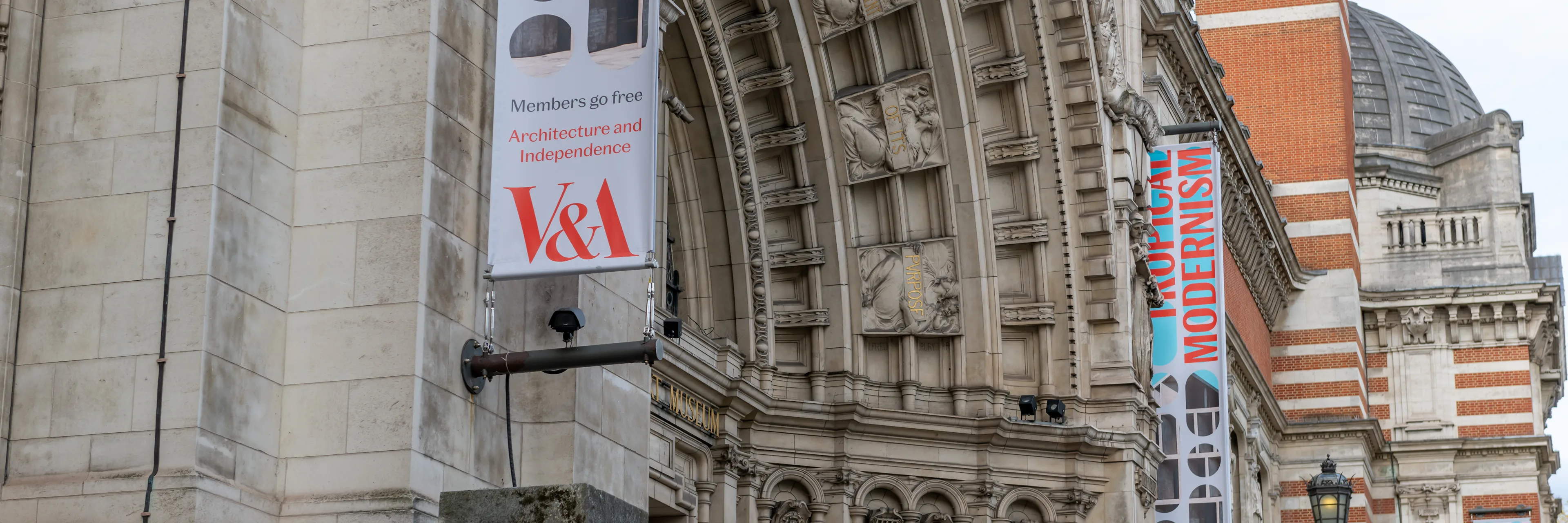
The V&A catalogue row shows China’s censorship now travels through cultural supply chains
theconversation.com: When people think about censorship, they often imagine an obvious ban: a book prohibited, an exhibition closed, or a speaker silenced.
But the recent revelation that London’s Victoria and Albert Museum changed exhibition catalogues at the request of its Chinese printer points to something subtler.
3 comments:
Julian Grossman
said...
I am disappointed both to see that this happened at the V&A and that it doesn’t seem the museum is going to make any changes to prevent this kind of thing in the future. Yes, the censored pieces are relatively minor (a historical map and an image of Lenin), but l disagree with the V&A spokesperson that the censorship of these pieces “did not affect the narrative” of the exhibition. First of all, on principle, even if it doesn’t affect the narrative it’s still censorship and the V&A is still a museum; they should not be taking this lightly. Second of all, yes of course it does affect the narrative, otherwise why would there be specific requests made to censor it? Third of all, considering the media itself: the “map” mentioned is actually specifically a map of british trade routes from the 1930s with the caption BUY EMPIRE GOODS FROM HOME AND OVERSEAS. This map of course also included a representation of the “Chinese Republic.” It is a pretty striking image and I actually think it would change the narrative of this exhibition based on its inclusion or absence.
I hate to see that we have this sort of lack of awareness of our own situation here in the United States. Like theres so much criticism of China's censorship or China's government. But despite all that, they're winning, and we have government censorship too. Despite all the freedom that we have, theres really no more freedom then over there, they're just more obvious about it. But the fact that this is happening in a museum is really brining our own censorship into the light. It's a museum. There shouldn't be censorship in it. Let alone in the country that prides itself on it's lack of censorship, and it being in a museum sends that home even more these exhibits should show the cold hard truth. Thats what history has always been about. There's so many problems with how the United States treats the history of the United States. There's so much hiding the truth in our own history.
As someone with family still living in China and who visits quite frequently, I am surprised that this is surprising to other people. This is not to say that I am a fan, in fact I am quite opposed to it, but unfortunately it is the reality of the current situation. It is truly frightening to consider that one group can have so much control over such a wide breadth of things, even something like an exhibition that is not directly tied to them. I have two problems with the spokesperson’s comment that “We were comfortable making these minor edits, as they did not affect the narrative, and would obviously pull production if we felt any requested change was problematic.” First off, the place printing your books should not have a say in changing what was written because it has already been edited, proofread, and sign-off on; I do not believe that this is something they have purview over in the chain of command. Secondly, any edits affect the narrative. Each word is carefully chosen for a reason, and any changes to it would change the reader’s perception of the book.


3 comments:
I am disappointed both to see that this happened at the V&A and that it doesn’t seem the museum is going to make any changes to prevent this kind of thing in the future. Yes, the censored pieces are relatively minor (a historical map and an image of Lenin), but l disagree with the V&A spokesperson that the censorship of these pieces “did not affect the narrative” of the exhibition. First of all, on principle, even if it doesn’t affect the narrative it’s still censorship and the V&A is still a museum; they should not be taking this lightly. Second of all, yes of course it does affect the narrative, otherwise why would there be specific requests made to censor it? Third of all, considering the media itself: the “map” mentioned is actually specifically a map of british trade routes from the 1930s with the caption BUY EMPIRE GOODS FROM HOME AND OVERSEAS. This map of course also included a representation of the “Chinese Republic.” It is a pretty striking image and I actually think it would change the narrative of this exhibition based on its inclusion or absence.
I hate to see that we have this sort of lack of awareness of our own situation here in the United States. Like theres so much criticism of China's censorship or China's government. But despite all that, they're winning, and we have government censorship too. Despite all the freedom that we have, theres really no more freedom then over there, they're just more obvious about it. But the fact that this is happening in a museum is really brining our own censorship into the light. It's a museum. There shouldn't be censorship in it. Let alone in the country that prides itself on it's lack of censorship, and it being in a museum sends that home even more these exhibits should show the cold hard truth. Thats what history has always been about. There's so many problems with how the United States treats the history of the United States. There's so much hiding the truth in our own history.
As someone with family still living in China and who visits quite frequently, I am surprised that this is surprising to other people. This is not to say that I am a fan, in fact I am quite opposed to it, but unfortunately it is the reality of the current situation. It is truly frightening to consider that one group can have so much control over such a wide breadth of things, even something like an exhibition that is not directly tied to them. I have two problems with the spokesperson’s comment that “We were comfortable making these minor edits, as they did not affect the narrative, and would obviously pull production if we felt any requested change was problematic.” First off, the place printing your books should not have a say in changing what was written because it has already been edited, proofread, and sign-off on; I do not believe that this is something they have purview over in the chain of command. Secondly, any edits affect the narrative. Each word is carefully chosen for a reason, and any changes to it would change the reader’s perception of the book.
Post a Comment