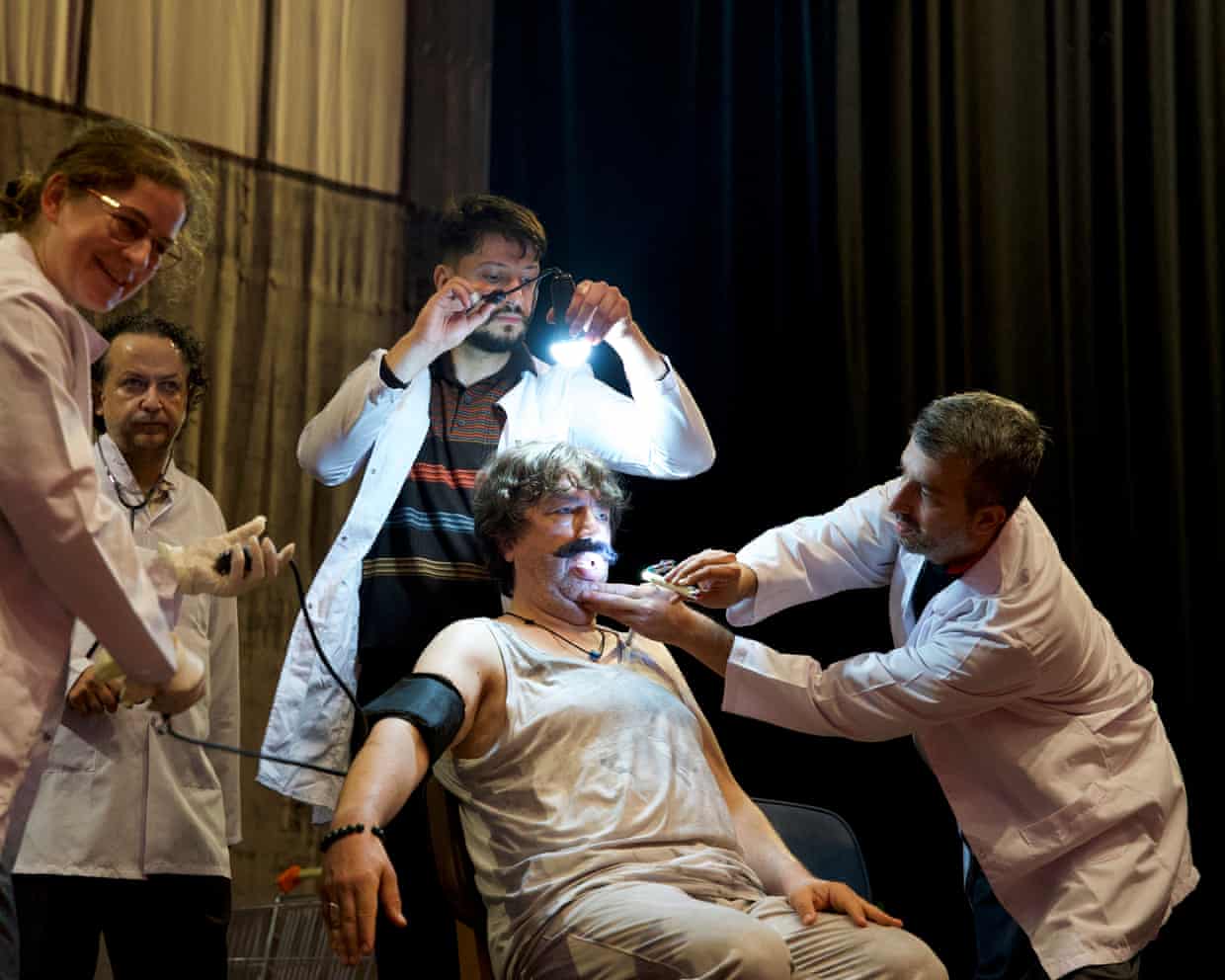
Germany | The Guardian: Few people have done more to change the way postwar Germany looks at itself than Levent “Ali” Sigirlioğlu. A 1985 bestselling book detailing the inhumane working conditions and everyday racism that the 26-year-old Turkish migrant worker endured at Ruhr valley steel plants, asbestos-infested building sites and fast-food restaurants was the first to expose the dark underbelly of a booming postwar economic revival.


2 comments:
One part that specifically stood out to me was that even though he was praised for his work in exposing the conditions in the steel plants, he was still being societally charged with brownfacing and cultural appropriation. Yes, it is very wrong to do that, but this two year long act he put on exposed what it was like in the steel plants. This whole story also reminds me of the story of Nellie Bly and her "10 Days in a Madhouse". She had committed herself to a madhouse to expose the conditions and abuse within them just as Levent “Ali” Sigirlioğlu had.
I found this article really interesting, because I don’t personally see a problem with what Wallraff did. The article points out that his disguise as a migrant could be criticized today, but I think his actions were necessary to make people pay attention. What Wallraff did forced German society to confront injustices that had long been ignored, and I believe that is a good thing. I also think what he did was deeply connected to his job as a journalist, because I think a key factor of journalism is about exposing truths that others try to hide. At the same time, living for years in such harsh conditions and putting himself in danger required a lot of courage, and I admire that. For me, his story shows the powerful role that journalism can play in changing society. I also hope his story continues to be told in different forms, like the opera mentioned in the article or even in other media, because I think this is a story that is still relevant to the world today, and people could be inspired by it.
Post a Comment