Pittsburgh Arts, Regional Theatre, New Work, Producing, Copyright, Labor Unions,
New Products, Coping Skills, J-O-Bs...
Theatre industry news, University & School of Drama Announcements, plus occasional course support for
Carnegie Mellon School of Drama Faculty, Staff, Students, and Alumni.
CMU School of Drama
Tuesday, April 07, 2026
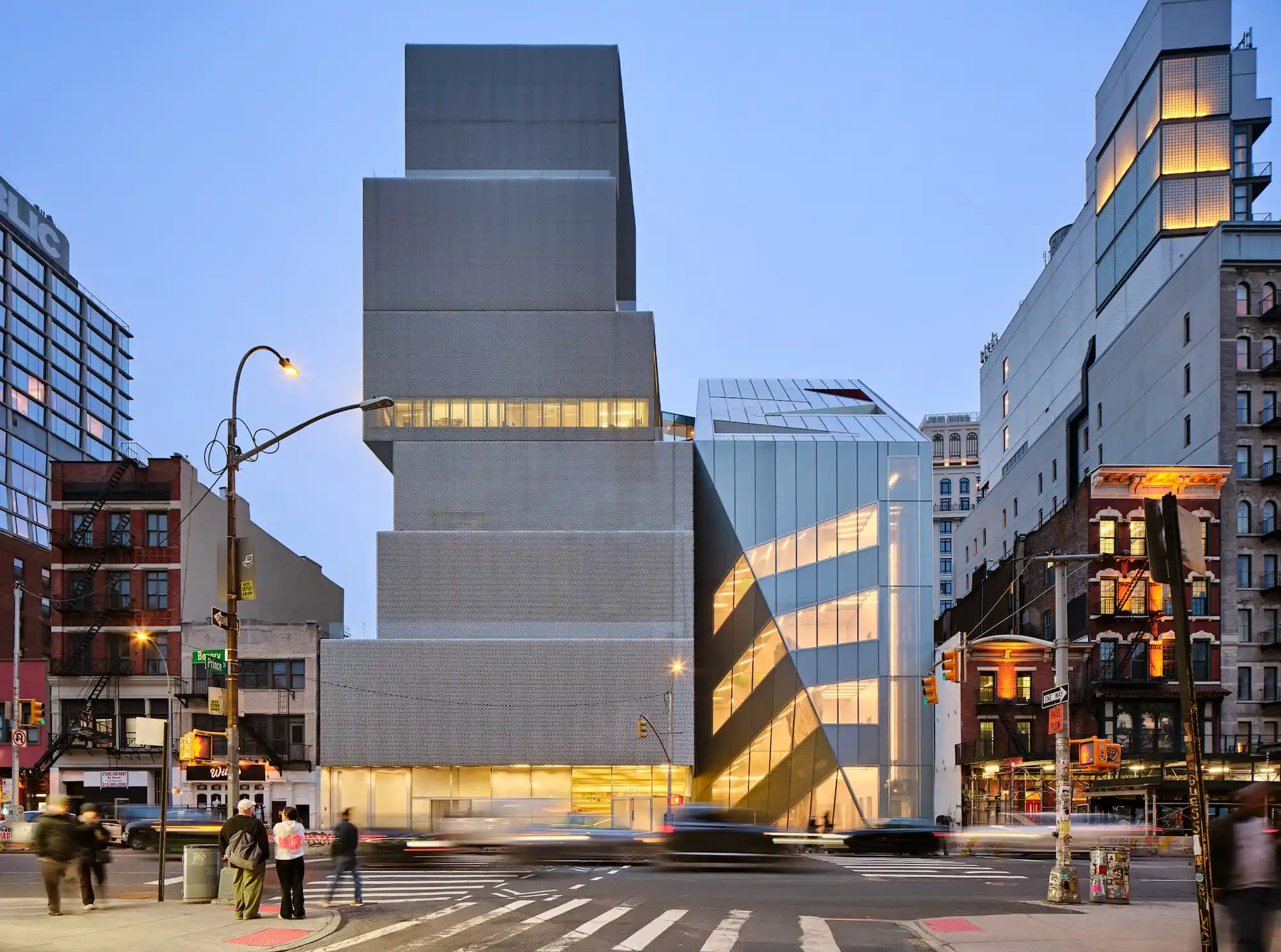
You Can’t Have It All: The Impossible Demands of the Modern Museum
Architect Magazine: Is a museum a place for a community to come together around art that both grounds and opens perceptions about the world around them? Is it a monument to our collective cultural achievements and aspirations? A storehouse for those treasures that amaze us?
8 comments:
NeonGreen
said...
I feel like museums, of all things, can really exist anywhere. The article presents this need for huge architectural design, but I think back to all of the museums that exist in run down or older buildings, especially because of their content. The Betsy Ross museum is a little bit away from my hometown, and it is anything but modern. The whole point of museums is to preserve history and teach people about those histories. What better way than to physically place people into that history by showing them the surroundings of that time? Especially for art museums, I of course think these newer buildings are something fun to explore. But I also want to steer away from the notion that we always need to create something new. We have an unimaginable number of buildings that are just sitting there without use. Why do we continue to create and create when the same efforts could go into preserving the old. There is always a place for creation, but I wish there was more of a balance with appreciation for older creations.
I hadn’t thought about this tension in museums, but there is definitely a tension in the world of resident theaters about what they want to be. Our modern society is built on its culture, but it is not a homogeneous culture. Every member of society interacts with their culture a little bit differently, and it is difficult to figure out how to craft institutions to interact with these various members and approaches. In my opinion, I think that institutions often mistakenly try to target themselves to the majority of the population, rather than to specialize into the clients they have and the story that they tell. I think that one of the most valuable services that these institutions serve is that of a third place. With there being such a pressure for people to spend their time online and at home, it is important for our culture to introduce environments where people can interact, spend time, and build the new generation of culture to lead our world.
I question the need for a new building for a museum, especially a person from a place where many of our buildings are historically protected. Mush of San Diego’s downtown seems to be crash landed in the center of an old colonial spanish town - either North Park or Normal Heights. These two areas are chock full of culture, both historic and modern. Ads is it an area of cultural blending, there is much art, and in turn, many art and history museums. I think that my city does a really good job with keeping the city’s (somewhat problematic, but that’s a different story for a different day) historic culture and modern art scene alive and conjoined. I honestly think there was a way to do this with both the New and the Studio Museum. As the history off Harlem directly influences the art that was made in the space, it would’ve been really cool to put the museum in a historically relevant building.
As an avid museum lover, I have seen a lot of museums that have the modern, “avant garde” look with sharp, exaggerated angles, those super deep stairs that are hell to walk up, and lots of color contrast. However, my favorite museums are often not these new, huge museums. My favorites have often been ones that are built into existing buildings. I think making a historic building or house into a museum speaks to the spirit of museums in the way that is is preserving history and immersing you in it. I do like how accessible, clean, and easy to navigate the new museum architecture is, and it makes maneuvering crowds through large museums much easier. However, there’s something to be said about small, old, hidden gem museums in historic buildings. I think the architecture of a museum determines whether or not you feel like you’re looking at history or if you’re in it.
I enjoyed reading this article about the architectural design of some of the modern museums in New York. I always feel like museums are the place that I will first go to when I visit a new place. They can be historical museums that tell me about the history of a place, or they can be any kind of art museum that tells more about the people living there. I feel like the modern museums in New York City are truly grounding and introducing new perspectives about the world. Even though I haven’t been to any of the modern museums mentioned in the article, I can feel how the detailed descriptions of the architectural design are well planned to serve a purpose. I remember visiting both the MET and MoMA. They are two completely different museums that seem to serve different purposes. With artworks across the world and human history, the MET tells a grander story about human beings and the world in a huge space. But MoMA pushes time forward to the contemporary age, and artists are more likely to live in the same age as the audience. The more direct narration of the world is presented to us straightforwardly in the modern museum.
I’m not a person who typically seeks out museums when bored one day, but when I have gone to one I almost always appreciate the architecture design of the buildings. Seeing the designs of both the interior and the exterior of some of these museum buildings in NYC are really cool to look at. I think it’s important that museums have a unique design as they showcase a specific theme or topic that they want to draw attention to. Not only that, but I think people should not only be amazed by what’s being displayed in the museum but by the museum itself. People go to appreciate art or history, so it should be placed in a well designed building that people can appreciate as well. I think modern designed museums are really cool, they’re visually appealing and very simple but still able to be appreciated without taking too much attention away from what is actually being displayed.
A lot of modern museums have adopted the same look and style in recent years, how a museum utilizes space is very important for the experience it is trying to give you, some museums are very minimalist and only really focus on the displays, often having white walls and large portions of the museum filled with nothing at alll, while other museums care a lot more about the presentation of the space and will make efforts to keep exhibits really interesting visually, adding decor and information to add to the displays that they have(I notice this is mostly for museums that have been around for a while). I feel like some museums focus more on their outer presentation than they should, a museum isn’t mainly about the building it’s about the history/art, it should serve as a place that people will enjoy and while a huge complicated building can help with that sometimes, it isn’t what people are mainly looking for when they come to a space like this.
The article raises a strong question about what museums are actually supposed to do, but I’m not fully convinced that bigger, more monumental architecture automatically answers it. The Studio Museum in Harlem and the New Museum expansion both seem to be caught between two goals, creating an iconic public statement and providing flexible space for art. In both cases, the architecture itself becomes almost as important as what is shown inside, which feels like it can overshadow the actual exhibitions. I understand the argument that museums should feel like civic monuments or cultural symbols, but I also think that can lead to buildings that prioritize spectacle over experience. The criticism of gallery spaces feeling neutral or generic is fair, but maybe neutrality is sometimes necessary so the art can shift depending on what is shown. What feels more interesting is the tension itself, and the fact that there seems to be no perfect solution between community space, monument, and functional display.


8 comments:
I feel like museums, of all things, can really exist anywhere. The article presents this need for huge architectural design, but I think back to all of the museums that exist in run down or older buildings, especially because of their content. The Betsy Ross museum is a little bit away from my hometown, and it is anything but modern. The whole point of museums is to preserve history and teach people about those histories. What better way than to physically place people into that history by showing them the surroundings of that time? Especially for art museums, I of course think these newer buildings are something fun to explore. But I also want to steer away from the notion that we always need to create something new. We have an unimaginable number of buildings that are just sitting there without use. Why do we continue to create and create when the same efforts could go into preserving the old. There is always a place for creation, but I wish there was more of a balance with appreciation for older creations.
I hadn’t thought about this tension in museums, but there is definitely a tension in the world of resident theaters about what they want to be. Our modern society is built on its culture, but it is not a homogeneous culture. Every member of society interacts with their culture a little bit differently, and it is difficult to figure out how to craft institutions to interact with these various members and approaches. In my opinion, I think that institutions often mistakenly try to target themselves to the majority of the population, rather than to specialize into the clients they have and the story that they tell.
I think that one of the most valuable services that these institutions serve is that of a third place. With there being such a pressure for people to spend their time online and at home, it is important for our culture to introduce environments where people can interact, spend time, and build the new generation of culture to lead our world.
I question the need for a new building for a museum, especially a person from a place where many of our buildings are historically protected. Mush of San Diego’s downtown seems to be crash landed in the center of an old colonial spanish town - either North Park or Normal Heights. These two areas are chock full of culture, both historic and modern. Ads is it an area of cultural blending, there is much art, and in turn, many art and history museums. I think that my city does a really good job with keeping the city’s (somewhat problematic, but that’s a different story for a different day) historic culture and modern art scene alive and conjoined. I honestly think there was a way to do this with both the New and the Studio Museum. As the history off Harlem directly influences the art that was made in the space, it would’ve been really cool to put the museum in a historically relevant building.
As an avid museum lover, I have seen a lot of museums that have the modern, “avant garde” look with sharp, exaggerated angles, those super deep stairs that are hell to walk up, and lots of color contrast. However, my favorite museums are often not these new, huge museums. My favorites have often been ones that are built into existing buildings. I think making a historic building or house into a museum speaks to the spirit of museums in the way that is is preserving history and immersing you in it. I do like how accessible, clean, and easy to navigate the new museum architecture is, and it makes maneuvering crowds through large museums much easier. However, there’s something to be said about small, old, hidden gem museums in historic buildings. I think the architecture of a museum determines whether or not you feel like you’re looking at history or if you’re in it.
I enjoyed reading this article about the architectural design of some of the modern museums in New York. I always feel like museums are the place that I will first go to when I visit a new place. They can be historical museums that tell me about the history of a place, or they can be any kind of art museum that tells more about the people living there. I feel like the modern museums in New York City are truly grounding and introducing new perspectives about the world. Even though I haven’t been to any of the modern museums mentioned in the article, I can feel how the detailed descriptions of the architectural design are well planned to serve a purpose. I remember visiting both the MET and MoMA. They are two completely different museums that seem to serve different purposes. With artworks across the world and human history, the MET tells a grander story about human beings and the world in a huge space. But MoMA pushes time forward to the contemporary age, and artists are more likely to live in the same age as the audience. The more direct narration of the world is presented to us straightforwardly in the modern museum.
I’m not a person who typically seeks out museums when bored one day, but when I have gone to one I almost always appreciate the architecture design of the buildings. Seeing the designs of both the interior and the exterior of some of these museum buildings in NYC are really cool to look at. I think it’s important that museums have a unique design as they showcase a specific theme or topic that they want to draw attention to. Not only that, but I think people should not only be amazed by what’s being displayed in the museum but by the museum itself. People go to appreciate art or history, so it should be placed in a well designed building that people can appreciate as well. I think modern designed museums are really cool, they’re visually appealing and very simple but still able to be appreciated without taking too much attention away from what is actually being displayed.
A lot of modern museums have adopted the same look and style in recent years, how a museum utilizes space is very important for the experience it is trying to give you, some museums are very minimalist and only really focus on the displays, often having white walls and large portions of the museum filled with nothing at alll, while other museums care a lot more about the presentation of the space and will make efforts to keep exhibits really interesting visually, adding decor and information to add to the displays that they have(I notice this is mostly for museums that have been around for a while). I feel like some museums focus more on their outer presentation than they should, a museum isn’t mainly about the building it’s about the history/art, it should serve as a place that people will enjoy and while a huge complicated building can help with that sometimes, it isn’t what people are mainly looking for when they come to a space like this.
The article raises a strong question about what museums are actually supposed to do, but I’m not fully convinced that bigger, more monumental architecture automatically answers it. The Studio Museum in Harlem and the New Museum expansion both seem to be caught between two goals, creating an iconic public statement and providing flexible space for art. In both cases, the architecture itself becomes almost as important as what is shown inside, which feels like it can overshadow the actual exhibitions. I understand the argument that museums should feel like civic monuments or cultural symbols, but I also think that can lead to buildings that prioritize spectacle over experience. The criticism of gallery spaces feeling neutral or generic is fair, but maybe neutrality is sometimes necessary so the art can shift depending on what is shown. What feels more interesting is the tension itself, and the fact that there seems to be no perfect solution between community space, monument, and functional display.
Post a Comment