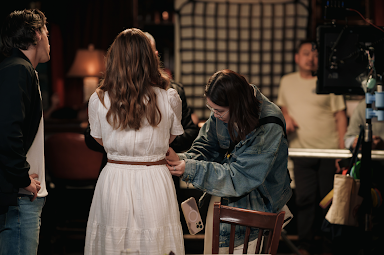
FinancialContent: Costume design is increasingly being recognized as a core storytelling mechanism within short-form screen productions, as cross-cultural methodologies introduce new levels of visual precision and narrative clarity. Work developed by costume designer and fashion art director Yiwen Yu reflects this shift, positioning wardrobe as an integrated narrative system shaped by character development, cultural context, and audience interpretation.


4 comments:
As someone who often writes and creates their own stories and characters, I’m surprised this article describes costume design as if it is JUST NOW increasingly being noticed as a core storytelling tool. Costume design, I feel, has been a vital storytelling tool for many years and has been acknowledged as such. It is essentially in the same vein as character design. You want the appearance of your characters to show who, what, why, when, and where they are. Subtly symbolic and visual storytelling through character/costume design is extremely important and interesting from both the designer and audience perspectives. I personally love analyzing the visual appearance of a character when analyzing pieces of media. I think it can be used to communicate A LOT, if not everything, about them. Designers who don’t lean into that aren’t designers at all, I don’t think. I personally take a lot of time when I create a character design to research how their external and internal world would impact them. I try to think about every little detail, from outfits, hairstyle, possible scars, jewelry, even down to the placement of said jewelry or articles of clothing.
Script analysis is such an important part of costume design, and I dont think people always realize how essential it is to the process of really good design. Creating a beautiful piece is something that can be accomplished fairly easily. However where the real magic of costume design happens is what the things people are wearing say about them and their character. Knowing a characters goals, and the ways they act has such a big impact on the clothes they wear, and what clothes they are wearing shows a lot about their traits that may not be conveyed in other ways. Every detail matters and how what the character changes, what they wear (or don’t change what they wear) throughout the course of the story shows the audience things about their character development. Overall I think that costume design is far more meaningful and impactful when you’ve analyzed the story in depth.
I feel like a lot of costume designers have long had the understanding that costume design choices really are part of the narrative process and character development. I think it's really good that that's coming to the spotlight especially with a specific form of content that is currently evolving. I think it's super important to evaluate how the cultural context of costumes impact the story and the character for every design. I wish we would have gotten to see more pictures of the designers' work in this article but even just conceptually it seems very interesting and meticulous. I think paying attention to how different forms of media influence the way in which we costume design is important and also understanding the general Trends across the design world also gives perspective on what the current environment is.
I liked that this article brings attention to how much costume design is part of the storytelling process. A lot of people tend to focus only on how the clothes look on screen, so I liked that it emphasized everything happening behind the scenes, from script breakdowns to fittings and continuity. It really shows that costume design is not just about making something look visually appealing, but about supporting the narrative and helping define character. I also liked that it touched on the cross cultural side of design. The way costume details can be interpreted differently depending on the audience or region adds another layer to the work and shows how thoughtful the process has to be. Even small choices in color, silhouette, or styling can communicate different things depending on cultural context. In the end, each detail feels even more meaningful when you think about everything behind them, and that deeper level of analysis makes the work feel much more layered.
Post a Comment