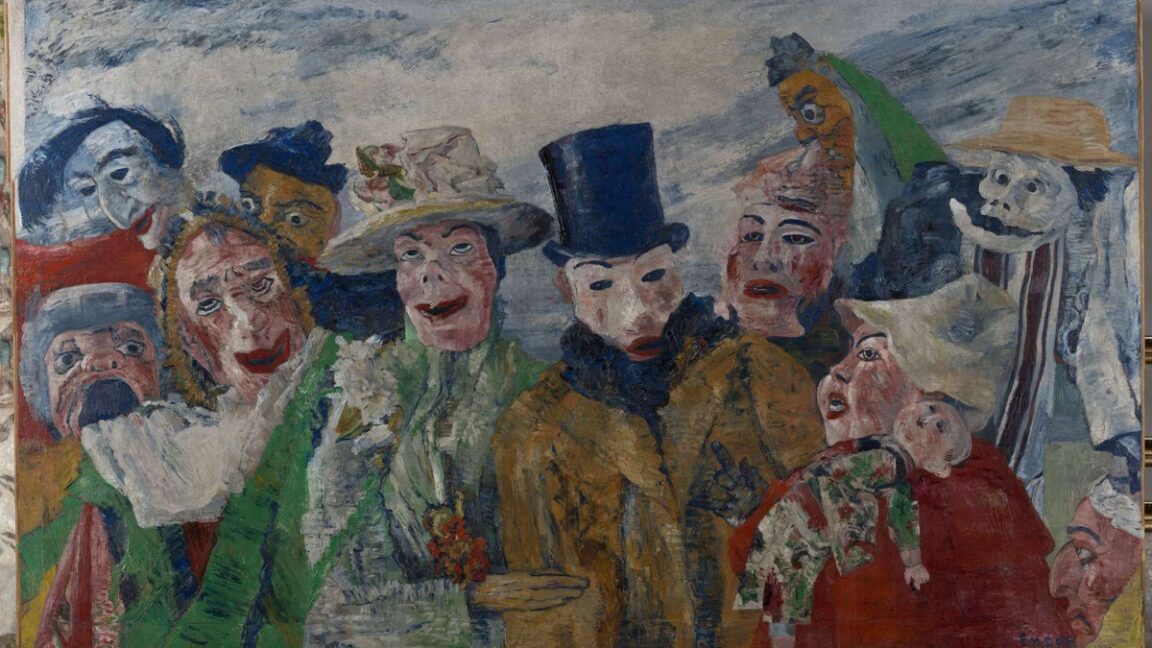
Ars Technica: The emergence of synthetic pigments in the 19th century had an immense impact on the art world, particularly the availability of emerald-green pigments, prized for their intense brilliance by such masters as Paul Cézanne, Edvard Munch, Vincent van Gogh, and Claude Monet. The downside was that these pigments often degraded over time, resulting in cracks and uneven surfaces and the formation of dark copper oxides—even the release of arsenic compounds.


1 comment:
This was an extremely interesting read. Whenever I’ve looked at those twenty thousand year old cave paintings, which are all mixtures of orange and red hued pigments, I always wonder if part of the reason is that they are easy to find in nature, but I theorize that the other part of the reason is that the cooler or darker tones do not have nearly as good of a shelf life in terms of truly long term survival. It’s interesting to me that the root cause of this problem is not, in fact, anything supremely environmental that is causing certain pieces to degrade faster, but instead, the art being appreciated is what ultimately leads to its untimely and (relatively) rapid degradation. Existentially, what do you do when the piece of art that people enjoy, that give people emotions, is hurt by the audience that it serves to speak to? What is your top priority there? Serve the audience or preserve the painting?
Post a Comment