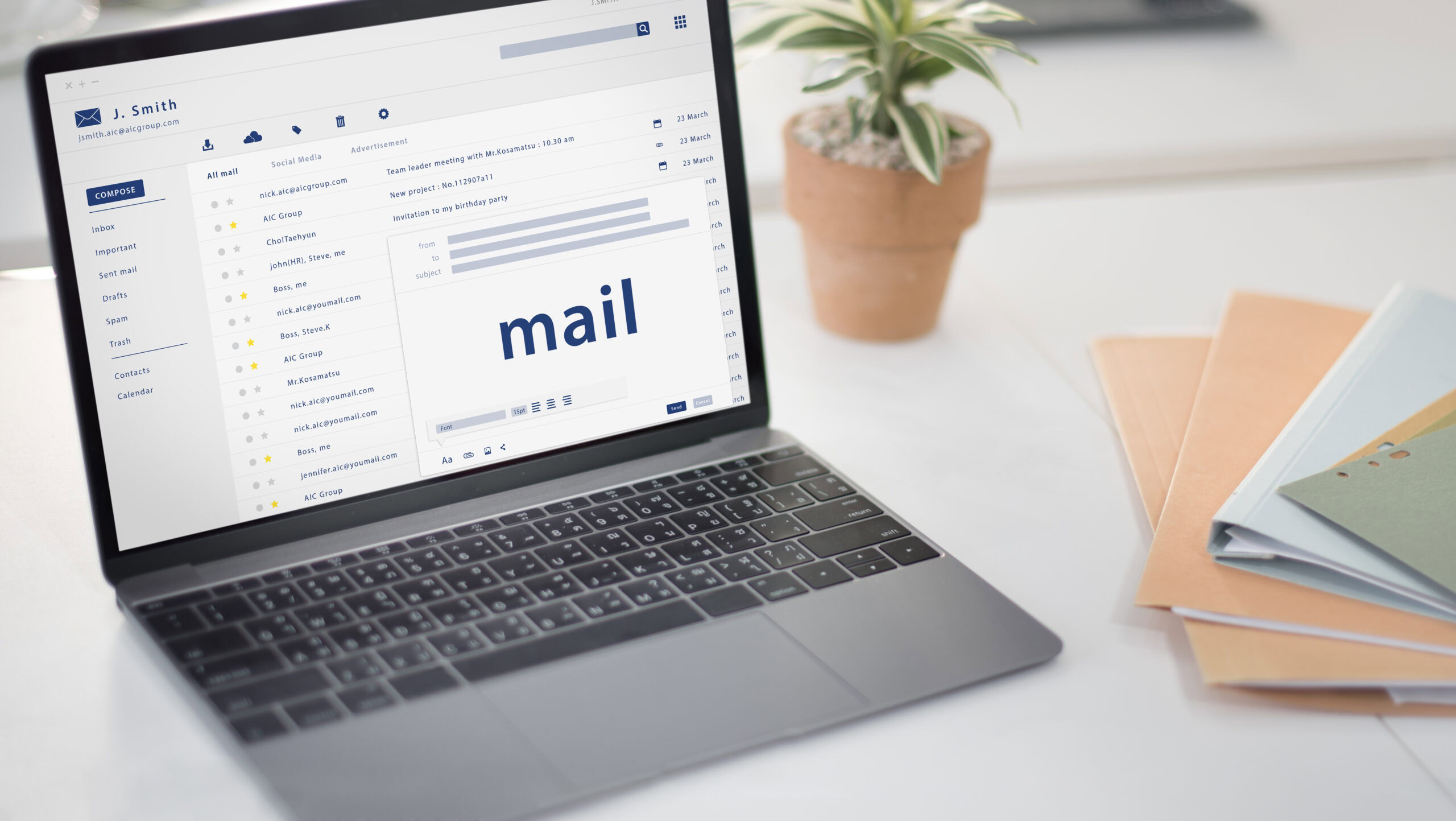
Asian Efficiency: I remember a time, not so long ago, when my inbox felt like a digital
monster. Every morning, I’d open my email, and there it would be: a
towering pile of unread messages, each one a tiny, nagging demand on my
attention. It felt like I was constantly playing whack-a-mole, trying to
clear the screen only for more emails to pop up. I’d spend what felt
like hours just sifting through, responding to a few, flagging others,
and inevitably, letting many more pile up. It was exhausting, and
honestly, it made me dread opening my email. Sound familiar?


13 comments:
As of recently, I have gained quite an accumulation of emails. This is due to not having much time to be able to properly go through and look at the messages. It also seems like more of a hassle because I have two email accounts, my work and my school. Because of this, the message just seems to keep piling up, like the article was saying. Between forgotten subscriptions, weekly deals, and actual important information, it gets hard to sort and filter through emails. The article brings up how you can never really have an " inbox zero" due to the new social media platform and many ways of communication. The article provides strategies for ways for looking at your inbox and taking away the stress and dread you feel when looking at new messages. As emails keep becoming a more common and professional way of communication, the 30-second rule and the four D's will help to take off the frustration of going through my emails.
What I really appreciate about this article is that it recognizes how much of our daily lives are shaped by constant interaction with inboxes—not just email, but also social media, text messages, and group chats. All of these messages consume our time and attention, from the energy spent thinking about responses to the practical tasks like paying bills. Our inbox often reflects the stressors in our lives and demands our focus. Because so many emails are irrelevant or low-value, we need a system to manage the chaos. This article does a great job of presenting strategies to bring order, especially through the 30-second rule, the “touch it once” principle, and the Four D’s of action. I found the reminder that an inbox is not a to-do list particularly important, treating it like one undermines productivity. Instead, the article suggests asking: Can I deal with this in 30 seconds? If yes, do it immediately. If not, apply one of the Four D’s: Delete it, Defer it, Delegate it, or Do it. Ultimately, the goal is to minimize the time spent stuck in the inbox and get back to more meaningful work.
My inbox is very full all the time. I need to use the steps in this article to clean my inbox. However, Sophomore year I purged my email and managed it down to a very reasonable size but realized when I wanted to reference things and they were gone I was getting irritated. So I stopped purging but now it’s grown out of control. The spam and the useless emails often bury important ones so my planner has a list dedicated to emails that I need to sift back through. I agree with the article that we communicate on too many different platforms. Email, discord, facebook, instagram, twitter, text, etc it’s hard to remember to check everything. Maybe it already exists but I wish there was an app that I could link all my important accounts to that would combine my notifications and sort them for me based on what I categorized the sender as.
This article actually really helps, as I am someone who heavily struggles with this sort of thing. I often find myself pushing off replying to emails and messages, and overall just sharing the experiences stated in this article. Sometimes it's exhausting for me to even respond to text messages from my friends because it all feels so overwhelming. It’s not that I don’t want to talk with them, it's simply just that there's so much going on, and sometimes the act of responding in itself, no matter who it's to, feels like a task and heavy responsibility. Especially for me, as I have pretty severe anxiety that makes me overthink every word and punctuation in a text message, and how to respond. Literally, I have googled how to respond to certain terms. However, this article actually helped me a bit by giving me strategies to try in order to fix this issue. The only strategy I don’t really like is AI, I think it's wrong to use it to reply, but I can see the practical other uses.
I feel like this article was made for me! I really struggle with my email. I let emails pile up, and it gets too overwhelming to go through and organize them. I feel like this article provided me with some great strategies to get started working on making my inbox more manageable. I didn't really think about how many inboxes I actually had until reading this. I have 3 email accounts, text messages, DM’s, Whatsapp chats, and so on. I wish there was a way that all of this communication could be tied together in one space. At one point last year, I got tired of all the college emails going to my personal gmail, so I organized it into tabs and it was amazing. However, as the year has picked back up and I've been getting busier, I have slacked off and let emails pile up again. The article just reminded me that if I just check and organize even once a day, it will make my inbox much less overwhelming!
While I’m largely sympathetic to the ideas presented in the article of approaching your communication systems more intentionally and not letting this part of our work take away your attention from more meaningful tasks and to-dos, I often wonder about some of these recommendations limiting the ceiling of effective communication while instead prioritizing efficient communication. What I mean most by this is the intentional decision to use AI to promote more efficient communication and to look at our email less frequently as a habit. First, regarding AI, this feels like it will begin to slowly take out the personality and trust behind communication as details may be easily missed or emails in general become more monotonous and easy to overlook. Regarding the second though, I think we ought to think of limiting our communication as switching between modes of being available to respond and being unavailable to respond as our mindset. Sometimes watching your inbox to be able to reply to others quickly is invaluable for better supporting their work and in fact improves the quality of collaboration. This may just be a particular knee-jerk reaction for someone in theater where time is often of the essence, but thinking moreso of when one is free to quickly respond or not feels like a more valuable framing here.
As someone who gets very upset when I have unreads in my inbox, I completely agree with this. I really enjoy having that number at 0 and no (1) Inbox in my browser tabs. I know if I dont read something immediately, it’s never getting read, so that's the standard I hold myself up to, and I aim to read emails within an hour when getting them, and thats what I do to keep all my inboxes at 0. I do always like to keep an archive of my emails though, so I never delete things after I read them, just so I have a record of everything said. This can cause clutter in my primary mailbox, but I learned to ignore it. Majority of my emails are spam as well, so I don't have a need for that 30 second rule, I just read it, if I need to take action, I just do that action then and there, it just keeps it easier, keeps my inbox at 0, and makes sure I don’t forget to do something because out of sight out of mind.
Throughout my life I’ve found that my inbox always goes through phases, there’s way too many emails in my inbox because I haven’t had time to deal with them, I get the time to deal with them and my inbox is blissfully empty, a couple days pass and my inbox is once again full. This article helped me finally understand why. I think of all the things mentioned in this article the one that I’m most guilty of is using my inbox like a todo list. It always feels so natural to do because when I’m ready to get around to a task there it is with all of the instructions included. But once a few have piled up half of my emails are genuinely unread and the other half have been read but I just haven’t dealt with them yet which leaves me unsure how to deal with any of them. As digital communication becomes a larger part of most people’s work flows, having a system to convert this endless stream of information into a form that actually works for you is key to productivity. The system in this article is one of the more promising ones for me because rather than restructuring your work flow to work on emails you restructure how you work with emails to fit your work flow.
This actually helped me a lot. With how many emails every person receives now, usually from more than one inbox, it’s such an overwhelming task to keep the email notification at zero. I used to completely pride myself of my pristine inbox but now with the absolutely insane amount of spam mail everyone gets, it's mildly Sisyphean to go through them all. I think these email programs should also be working more to properly filter spam and be able to block certain email addresses as easily as we can block phone numbers. One day I need to actually set aside the time to unsubscribe from all the emails I no longer need and really just clean it up but that in itself is a purposefully not streamlined task and at times doesn’t even work. There was a company that, for the longest time, every time I unsubscribe to them, I’m somehow receiving emails again in a month's time.
I remember learning about inbox zero last year, and finding a lot of difficulty implementing it in my own approach to my email and my other inboxes. This is a really interesting read because of that, as it really helped me understand that what I was struggling with was the framing of the philosophy, and not the overarching philosophy itself. I think that framing it like this, where you're acknowledging that you're not going to always have a zero inbox, but really focusing on the steps to creating a better mindset surrounding work is very important.Has somebody who tends to procrastinate with emails, due to some of these mindset things mentioned in the article, I think that it will be really helpful to use this as a sort of metric to whether or not this email is something I can do in the moment. A lot of the times what happens is that I read an email I mark it to do for later in my inbox, but my inbox isn't a to-do list and shouldn't be used as such, so just ends up cluttering space, and then I forget about it, and then I get nervous because it feels like it's been too long and I've missed the window to send my reply.
We learned about inbox zero in production data manipulation and I thought it was a good basic ground work. I had a hard time connecting to the idea because I have never felt all that overwhelmed by my inbox. This is probably because I am not far enough into my career for it to really build up. I also think I am quick to delete through emails that I can tell are irrelevant to me. Which in certain moments has been a bad idea but overall works well for me. I would say the worst habit I have that is talked about is reading an email, not responding and then marking it as unread again. I will do it over and over again. That or star an email and then forget that I did that because I don’t check and then I lose the email. The rest of it is irrelevant to me right now but I am curious to see if that changes.
AH NOT AI EMAIL RESPONSES! Okay, otherwise, though, this is what I needed to hear. Especially after having just gone through the college application process and high school, taking all the AP and SAT tests that I really loved, I'm overwhelmed by the amount of information I've sent out into the world. If I’m checking my email, I’m unsubscribing from something. If I’m ignoring my email, it’s probably important that I should be looking at it. I like this perspective, though, it’s not just email. It’s four accounts and LinkedIn, Instagram, Facebook, Slack, and every other platform that sucks you in. I leave on my notifications, but I feel somewhat strategic about it; if I left it on my homescreen, it’s relevant enough I should probably be reading it, but if I delete it from my phone, then I don’t need to worry about it until a later time, I feel less busy where I can really sit with an Email mass. You will not catch me using AI to respond to my emails, though that’s crazy.
I think inbox zero is an interesting concept, but one that very much just doesn’t work very well in our modern times, when we just have too many different emails in too many different places. I’ve been seeing this concept recently of “inbox zero, except not really about getting to zero,” which I’ve always been somewhat intrigued by, but it’s difficult to make the transition immediately to an entirely new system. One tip from this article that caught my attention was the section about muting email notifications. I’m definitely guilty of always leaving a tab with my inbox open, and whenever I see a notification or unread email in the tab name, I immediately jump over to check it. This is definitely a bad habit, and getting a notification distracts me a lot from whatever I’m doing, so I’m definitely intrigued by trying to set up just VIP notifications and trying to set aside specific time for checking my email.
Post a Comment