Hydraulics & Pneumatics: Experience is the best teacher, but it is also the most expensive. And when you work in technical support, you see a lot of widespread, expensive learning going on as the same mistakes crop up again and again. Here are some common and easily preventable ones involving valves.


2 comments:
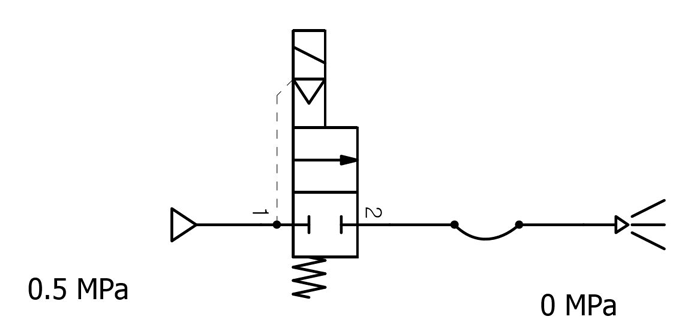
I like how this article points out that, while experience is the best teacher, it can also be the most costly. In our world, we don't necessarily deal with such high stakes unless we go work for a company like Tait, however I would much rather read about these common mistakes than experience them myself! The overall theme of this article is a core lack of understanding about the fundamentals of hydraulic and pneumatic systems. I find that often people struggle for a bit to understand these systems because the properties can seem counter-intuitive. For example, the first portion talks about pressure differentials. In rigid body dynamics, we are used to working around a maximum force on a system. However, in fluid power, everything is about the pressure differential. The valve rating of 3 bar doesn't mean 5 bar overloads it necessarily, but rather the differential implies the other side needs at least 2 bar. This can be confusing (not to mention gauge pressures), but once you grasp the concept it makes installing systems much clearer.
Having spares is a miracle for time sensitive parts in machines or plays that need that piece to function and that is the only thing stopping it from working. Theatre is an incredibly delicate machine that needs a host of people to get along and work together in order for a production to work smoothly. Often this “machine” is strained by the lack of resources or trying to make those resources stretch beyond their normal “elastic region”. In order to make the production more robust or reliant to changes and malfunctions there needs to be enough resources, backups, or emergency plans in the case of an emergency like a part being broken or an improper cue. Often the ones with the expertise in how something functions is not in the room when something goes wrong, although you might try to prevent this by making sure it works while the person with experience is there.
Post a Comment