Pittsburgh Arts, Regional Theatre, New Work, Producing, Copyright, Labor Unions,
New Products, Coping Skills, J-O-Bs...
Theatre industry news, University & School of Drama Announcements, plus occasional course support for
Carnegie Mellon School of Drama Faculty, Staff, Students, and Alumni.
Thursday, April 15, 2021
4 Types of Compressors Explained (+ Mix Tips)
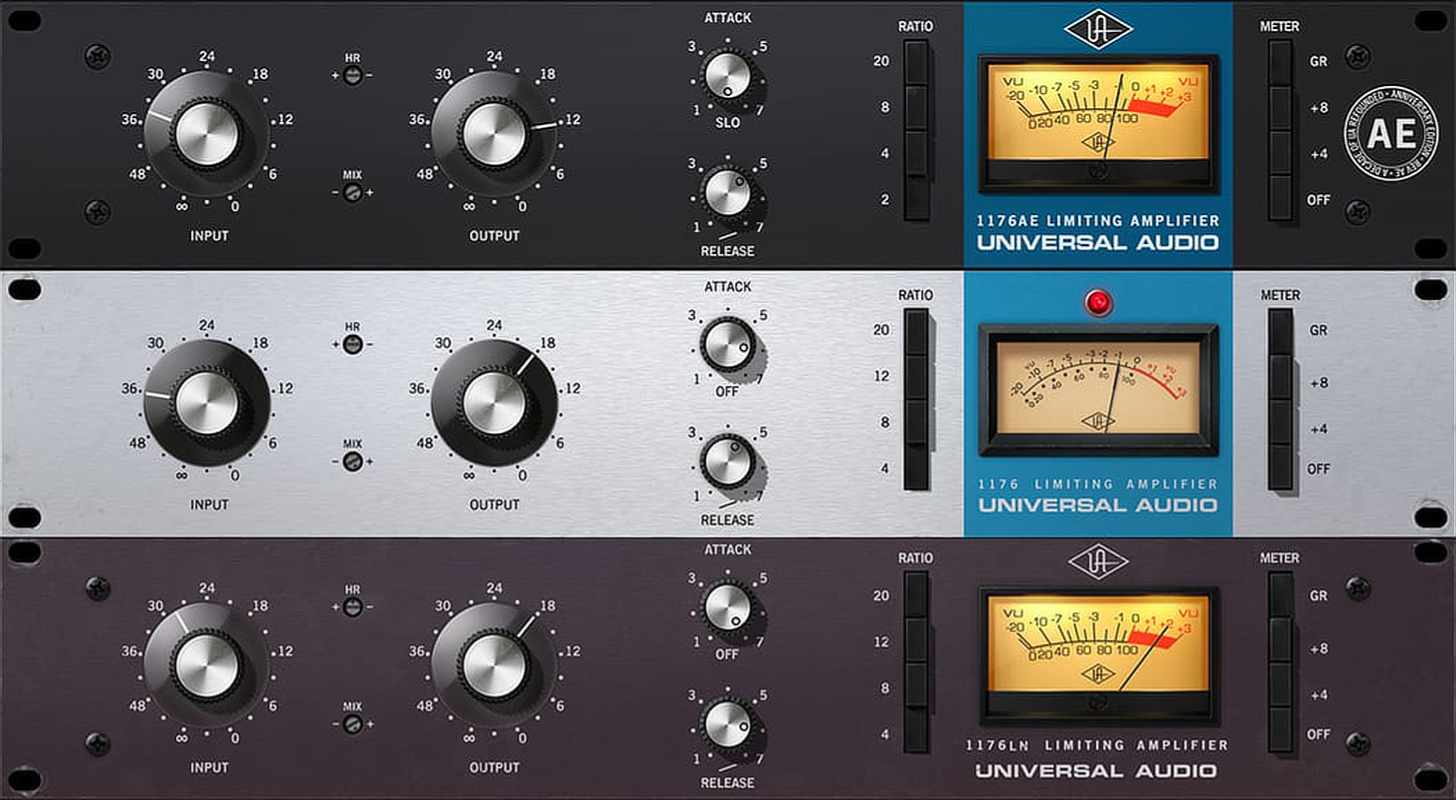
Pro Audio Files: Like any other hardware or software we use to capture and process audio, compressors are tools. At the surface, their function is pretty easy to understand: they lower the level of incoming signal when it crosses a given threshold.
In all of these articles about sound equipment, I really wish they would include some audio demonstration of the equipment. I understand that professionals and those more familiar with the type of equipment being discussed would have a better idea of what the adjectives being used actually mean in a sonic sense. That being said, this was still pretty informative to me since I had no idea there were so many different categories of compressors. I think it's really fascinating how so much of audio editing technology today seems to be software companies trying their hardest to replicate older analog gear using digital plug ins for digital audio workstations that producers are using. Compressors have been explained to me in all three of my sound classes this year, and I still feel like I don't entirely understand what exactly they would sound like quote -unquote in the real world.
I am saving this article so I can take proper notes on this at a later date, because this is gonna be so useful once i start mixing shows. I didn't understand most of the technical explanations, but it gave VERY useful tips and guidelines on how to use not only the types of compressors, but the equipment that uses them. It also tried its best to explain the main points in laymans terms, which was helpful. The way it was written was entertaining. Compressors still aren't on my frequent use list, but once I write this down i'll be more inclined to mess around with them.
In all of these articles about sound equipment, I really wish they would include some audio demonstration of the equipment. I understand that professionals and those more familiar with the type of equipment being discussed would have a better idea of what the adjectives being used actually mean in a sonic sense. That being said, this was still pretty informative to me since I had no idea there were so many different categories of compressors. I think it's really fascinating how so much of audio editing technology today seems to be software companies trying their hardest to replicate older analog gear using digital plug ins for digital audio workstations that producers are using. Compressors have been explained to me in all three of my sound classes this year, and I still feel like I don't entirely understand what exactly they would sound like quote -unquote in the real world.
ReplyDeleteI am saving this article so I can take proper notes on this at a later date, because this is gonna be so useful once i start mixing shows. I didn't understand most of the technical explanations, but it gave VERY useful tips and guidelines on how to use not only the types of compressors, but the equipment that uses them. It also tried its best to explain the main points in laymans terms, which was helpful. The way it was written was entertaining. Compressors still aren't on my frequent use list, but once I write this down i'll be more inclined to mess around with them.
ReplyDelete