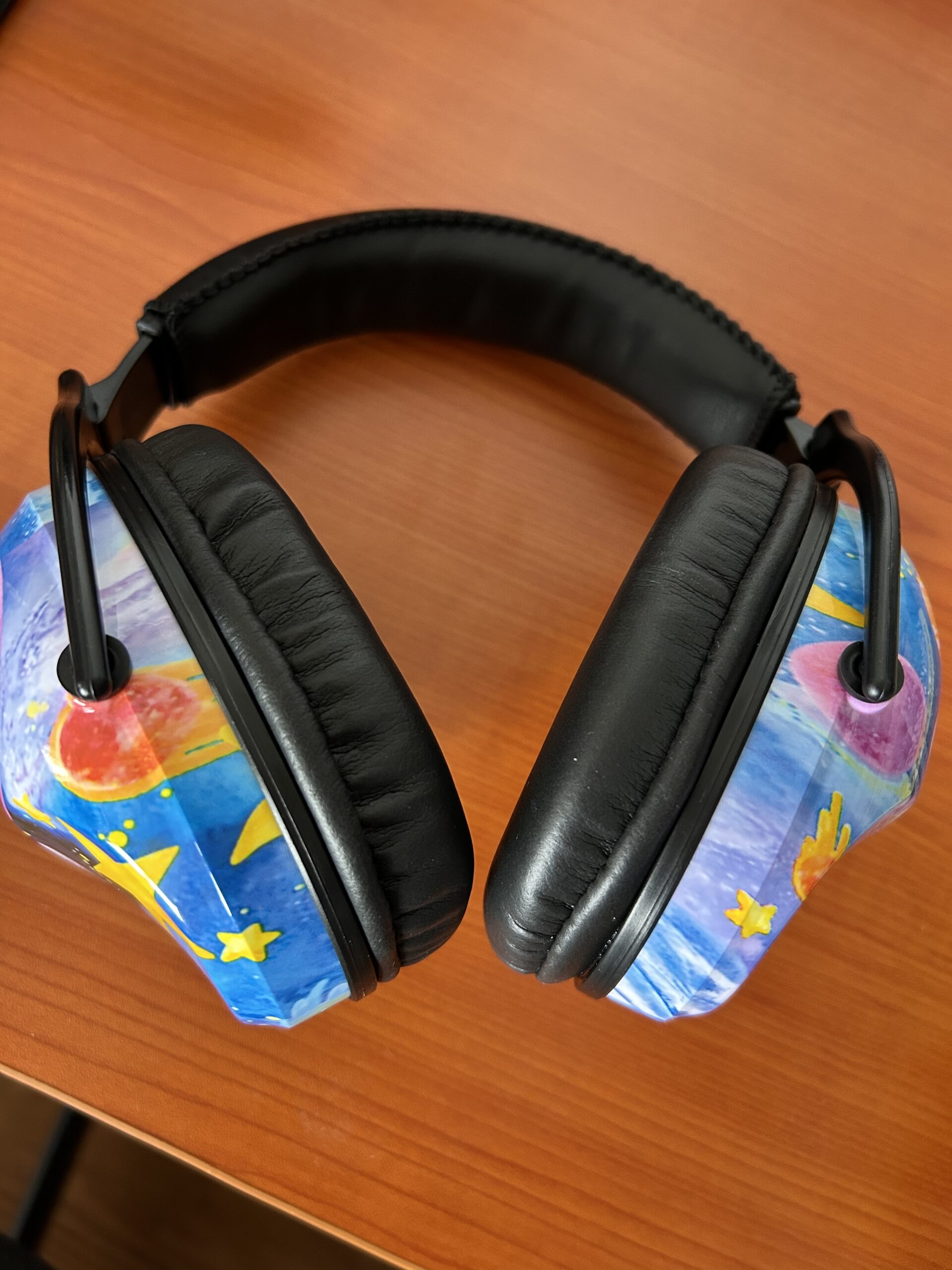
SoundGirls.org: As an autistic person, I experience various sensory differences. I can’t cope with bright, flashing lights. I’m highly sensitive to temperature changes. Certain fabrics and clothing seams/tags make my skin itch. But the biggest one is my sound sensitivity, and yet… I work with sound.
I really liked this article, not only because of my interest in sound but the point that it made regarding acoustic measurements and filtering of frequencies that most people would not notice. To the first point, I really do believe that at the end of the day, what your screen is showing you, whether it is from an acoustic measurement or an eq curve should not be the final verdict on if somthing sounds good. This was clearly stated in this article. The author spoke on how they could use some of the aspects of their autism as a tool to focus in on how things are really sounding and not having to rely on the DAW. I truly believe that this at the end of the day is what separates good from great sound designers. Being able to know what sounds good and bad no matter what a screen is telling you. The next point I really liked was how the author spoke on filtering out frequencies that are unwanted. Most people tend to be very sensitive in the 2-3.5khz range. This is because in nature this frequency is similar to a babies cry. This automatically alerts us that something is wrong giving an unpleasant feeling and or irritating. I really like that filtering out unwanted frequencies was pointed out because the worst thing that would happen when you are at a show is when something is just so glaringly bright. I really liked this read!
ReplyDeleteI’m really glad that this article was published because it’s part of a bigger conversation about inclusivity in all areas of theatre that I think is always worth discussing more. Personally, I wouldn’t describe myself as the most sensitive to noise and sound in general, but I have family members who exhibit neurodivergent traits such as being extremely sensitive to loud noises and sound. Over the years, I’ve come to be more understanding and compassionate towards their circumstance, however this article made me realize that what matters isn’t just the people around those who struggle with noise sensitivity, but the people who make that sound potentially for a noise-sensitive audience. I also love the fact that this article highlights not just the negative effects of being particularly noise-sensitive, but the positive ones that make them better in working with sound. I think we can all as theatrical artists (or simply interested enthusiasts), take a page out of Sarah’s book.
ReplyDeleteThis article shows that accessibility extends to the people making theatre happen, not just audience members. Everyone has different talents that can make them great at what they do. As a high functioning autistic person the point about things that would normally bother you being fine when you are expecting them resonated with me. I mostly focus on lights and while I’ve used my fair share of flashing lights and rapidly shifting colors when it was right for the show but if I encountered anything near to that level of flashing lights while going about my day normally it would bother me quite a bit. But not every theatre goer can deal with strobe or loud sounds. While these elements enhance the show for most they can make it entirely unwatchable for some audience members. I think that the best solution to this is to have some sensory friendly performances to allow those who have sensory issues to come see the show without worrying about if they can manage to get through the sensory issues.
ReplyDeleteAs someone who has navigated minor sensory issues and theater as well, I completely understand where this person is coming from. As a stage manager, I do have to navigate a lot of sensory inputs that are all happening at the same time, which can be difficult for me, especially when there's unexpected noise, unexpected chatter, or just flat out multiple things all happening at the same time that all need a part of my attention. It's definitely been a struggle for me to figure out how to work with that, both in a way that is sustainable for my mind and body, but also for a way that works for what I need to do to accomplish my job. I think the author is also spot on about the idea that context matters, as I find I'm able to navigate these overwhelming situations a lot easier in the space, in the theater, when stage management brain is fully activated, versus how I could navigate these situations on their own. I also find that I love live theater and the art of live theater and all of those different elements that make up that art so much that sometimes, it's easy for me to sort of focus on my love of that in order to get over sometimes the negative sensory inputs that are occurring.
ReplyDeleteReading about the differences in the workflow for this audio engineer and how their neurodivergence affects their work in both highly positive ways for audio accessibility despite some of the personal drawbacks it gives them at times was incredibly informative to read about and demonstrates a certain necessity for engineers and designers to pay more attention to the work they create and the subtle ways in which it may be inaccessible, if not at least just unideal for certain members of their audience. Further, that there is nuance to noise sensitivity as it is not just a simple ‘loud vs quiet’ distinction, but also the timbre, frequency, and how sudden a sound is that are often larger factors in producing uncomfortable sounds. Lastly, that neurodivergence in certain cases is a key advantage within a workforce to increasing accessibility as it empowers those that are most affected by these decisions to weight in and help make better decisions so that audience members are better supported and are more welcome to the creation of art wherever you are.
ReplyDeleteAs someone with noise sensitivity issues I was quick to click on this. I often avoid going to see shows because I know there are certain sounds I will not like. Which then leads to the questions the writer gets of why would I ever be an SM if I have noise sensitivity issues and do not go to shows. I think I relate to this author. I like being an SM because I am in control of it. My least favorite sounds are things like gunshots or unexpected crashes. They stress me out but as an SM I am in complete control of the sounds and know what to expect. I like that the writer leveraged this as a strength because I would say I handle those things with care and I am hyper aware of the sounds and how they might impact other people. And I think sound should also be handled with care because it can directly affect the health of other people.
ReplyDeleteAs an autistic person who is sensitive to sound and bright lights this article really spoke to me. The way that the author describes it as being sensitive to “unwanted” sounds rather than all sounds made something click in my brain. In the theater, if I know what is coming or I am expecting there to be loud noises then that is very different to being in a space where I don’t know what is coming next. I also appreciate the growing representation of autistic people in different spaces. The fact that the author put in “pros” and “cons” of how their brain works was also refreshing to me. A lot of people expect saying “autism is my super power” or stuff like that to be more supportive and not focus on the negative, but just like everything it has its “bad” side and it is helpful to recognize that and talk about how to work with it instead of just ignoring it.
ReplyDelete