Hackaday: When it comes to our machines, we generally have very prescribed and ordered ways of working with them. We know how to tune our CNC mill for the minimum chatter when its chewing through aluminium. We know how to get our FDM printer to lay perfect, neat layers to minimize the defects in our 3D prints.
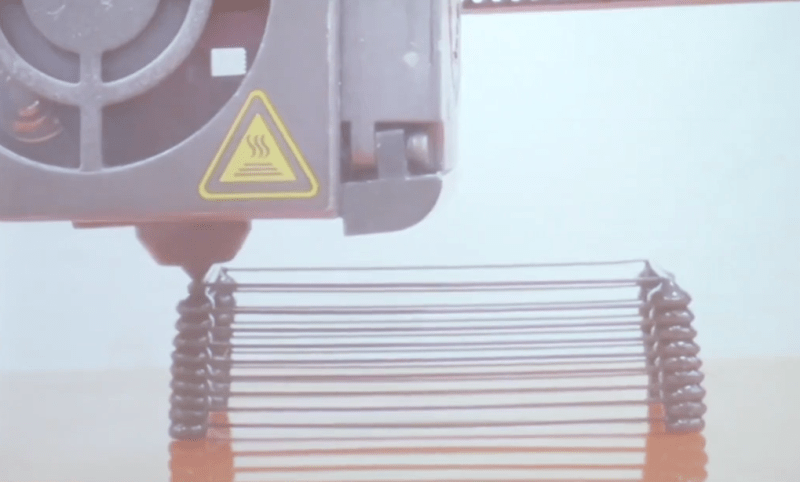
I think that this is an incredibly interesting way of using a CNC machine. We often harp on how particular CNC machining is, and how that is where their usefulness comes from, but I feel like not being able to edit the toolpaths directly until now is wild. I also like the fact that the reason this was developed was for art. It is usually said that innovation is a result of necessity, and I feel like most times that is true. However, the fact that this particular innovation was born out of a desire to create art is fantastic and very inspiring. Art innovation is not something that happens a lot. However, I do know that there has been some innovations that have come from the theatre. While I don't remember exactly what it was, I remember learning in a class in high school that there was some innovation to do with lights that happened because they wanted to make spotlights brighter.
ReplyDeleteThis article about sketching with machines is bringing me back to the 2010s, or 3D pens were all the rage. To jog y’alls memory, 3D pens used plastic filaments in a similar mechanism as a hot glue gun but in pen-form to be able to draw in 3D space. Granted, you still had to draw on a 2D surface and then put the pieces together to actually make it a functionally standing 3D object. One time I tried to do my geometry homework, triangles, using one of these. As cool they were, they still had significant setbacks. For one, if you had even remotely shaky hands it was very difficult to draw straight lines. Secondly, the filament was expensive and spent quickly. It would be cool if there was a way to remelt down and mold the filament. This would have allowed it to be a lot more eco-friendly and in theory more cost efficient.
ReplyDelete